
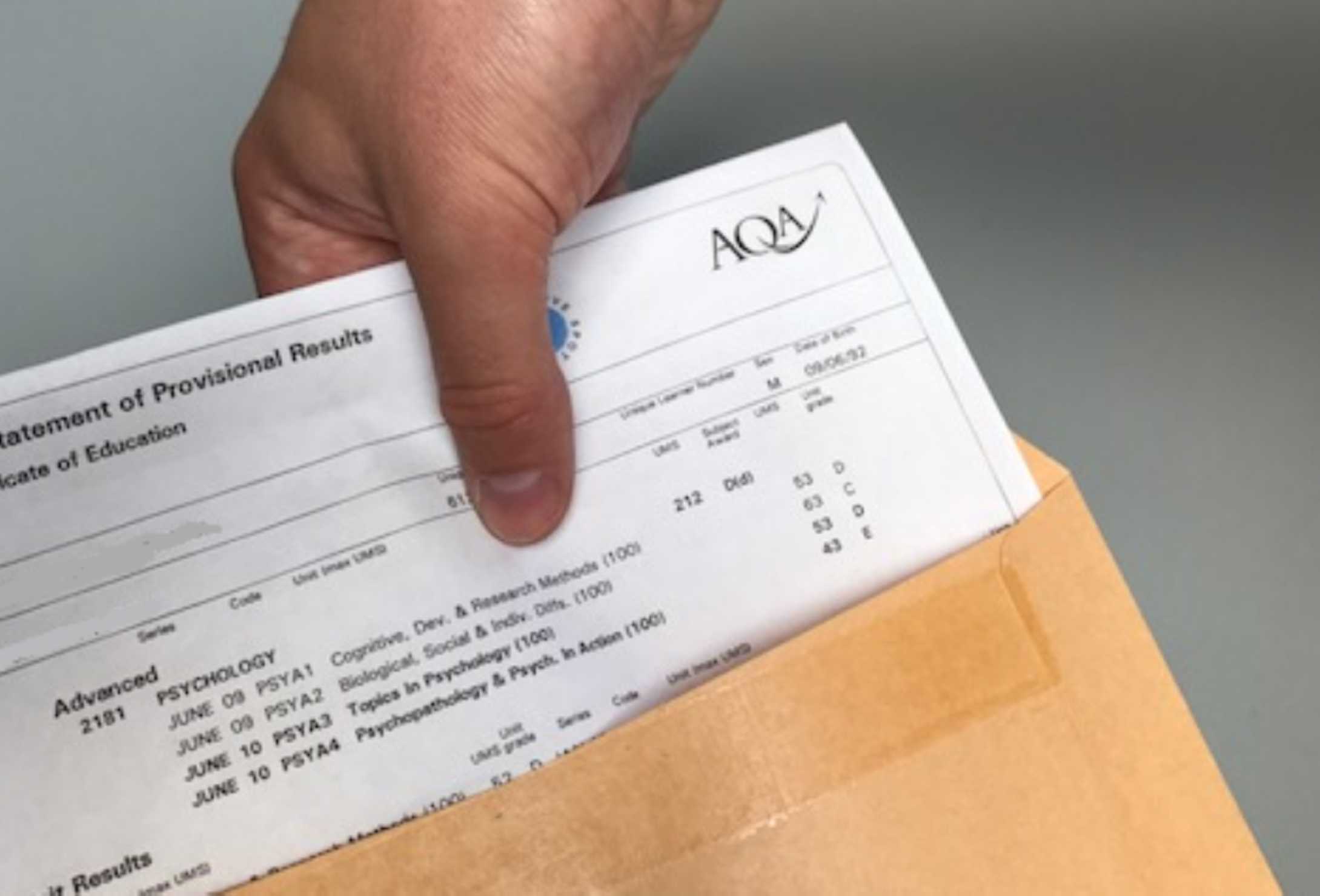

A-Level results will not be adjusted to take into account the disruption caused by teachers’ strikes, as experts warned 50,000 pupils are set to miss out on top grades next week.
Ofqual, the exams watchdog for England, will make no special allowances for pupils whose teaching was affected by eight days of industrial action in 2023 as it attempts to bring grades back down to pre-pandemic levels.
Experts are warning of an increase in the number of appeals due to the correction, but any disruption caused by walkouts will not be taken into account.
Meanwhile, teachers in England have voted to accept a government pay offer, Britain’s largest education union last week, in a boost for Prime Minister Rishi Sunak’s efforts to end a wave of disruptive public-sector strikes.
The National Education Union (NEU), whose strikes have shut British schools on a number of occasions this year, said teachers had voted to end industrial action and accept the 6.5% pay rise announced on July 13 by Sunak.
“Members have spoken very clearly and in great numbers,” Mary Bousted and Kevin Courtney, joint general secretaries of the NEU, said, describing the deal as the “highest pay award for over thirty years.”
“The Government should be in no doubt that we will hold its feet to the fire on delivering for teachers and support staff on workload and funding,” they added.
Education unions had said earlier this month they would call off further planned strikes, and recommended that teachers and other union members vote to accept the government’s pay offer.
The NEU, which represents more than 450,000 teachers, lecturers, education support staff and leaders, said around 86% of its teacher members who voted chose to accept the offer and end industrial action in an electronic ballot, with a voting turnout of 60%.
“This is good news for teachers, good news for parents and most of all, good news for students,” Britain’s education minister Gillian Keegan said in a post on social media site X, formerly known as Twitter.