
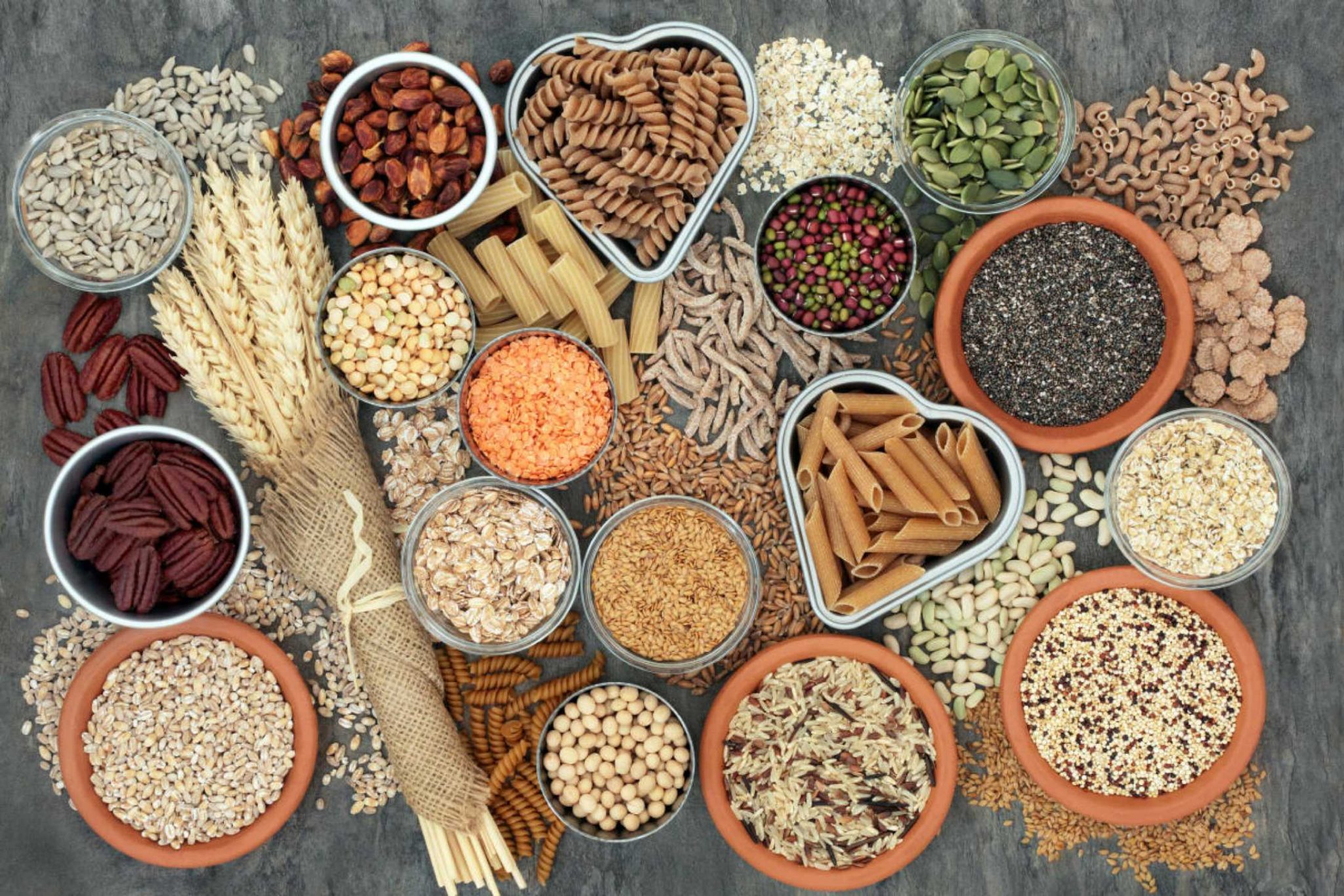

With all the continuous different trends in diets, a variety of them often advise cutting out the carbs and so some people tend to think that all grains are just pure starchy carbohydrates and can miss out on all the goodness and benefits that they can provide.
A diet that is high in wholegrains can actually help you lose weight and boost energy. It can help aid healthy digestion and reduce the risk of obesity. Wholegrain foods provide fibre, vitamins, minerals as well as other nutrients. They can help control cholesterol levels, weight and blood pressure, can also help lower the risk of heart disease, stroke, diabetes and other conditions and can also help reduce chronic inflammation.
Some grains are often considered superfoods because they are an important source of vitamins, minerals, antioxidants and phytochemicals. Wholegrains like oats, barley, and quinoa are rich in many of the B vitamins that can help with brain memory.
Refined grains are not so healthy; they are used in white bread, white rice, pasta and cereals. They have a finer texture and last longer on the shelf, but they lack the essential nutrients including iron and B vitamins, as well as dietary fibre.
Before you cut them all out, let’s take a look at all the different types of grains, and make a decision of what can work for you and be included as part of your own particular dietary requirement.
Quinoa is high in protein and gluten free, is crunchy like rice grains, a little bland in flavour but therefore adaptable when other flavours are added.
To cook, add two parts of water and simmer for 10 to 15 minutes.
Basmati Rice is the lowest GI rice, it is gluten free and low in fat. It has the essential eight amino acids, is low in sodium and has no cholesterol. This rice has a low to medium glycemic index which means that energy is released at a slower, steadier rate which gives a more balanced level of energy rather than a quick burst and drop in energy.
To cook, add two parts boiling water, simmer for approximately 8 minutes and then allow to stand with lid on.
Bulgar Wheat is wheaty, crunchy and full of minerals and vitamin E.
To cook, steep in two parts boiling water for 30 minutes until soft and tender.
Oats are the edible seeds of oat grass. All porridge oats are wholegrain, full of fibre which can lower the cholesterol when having 3g or more daily.
A personal choice whether to cook fully depends on the taste preference. Can be eaten raw but should be soaked. Boiling oatmeal can lose 25% of nutrients, cooking at lower heat for short length of time helps maximize the available nutrients.
Barley is sweet, comforting, good for you and very versatile.
To cook, one part hulled (not pearl, as it is processed) barley to three parts water, simmer gently for 40 minutes.
Spelt is ideal for a wheat free diet as it tastes similar. It has a malty taste similar to barley. It can be used as a substitute for rice or pasta and can also be made as a porridge. It is full of B vitamins.
To cook, simmer spelt flakes with two parts water for 15 to 20 minutes.
Amaranth is a nutritious gluten free grain. It has twice as much calcium as milk. It is known to provide plenty of protein and fibre and is said to have a number of health benefits such as lowering cholesterol levels, increasing weight loss, and reducing inflammation. It is great for popping.
Use Amaranth as a replacement in recipes for rice or use in soups and stews. Pop the same as corn.
There are many more wholegrains so look into them before you give up on all those wholesome grains. Have a go at making your own health bars, pancakes, soups and dishes.
Let’s go with the grain!
Love and Sparkles
Samsara x
Facebook: Samsara Kyriakou
