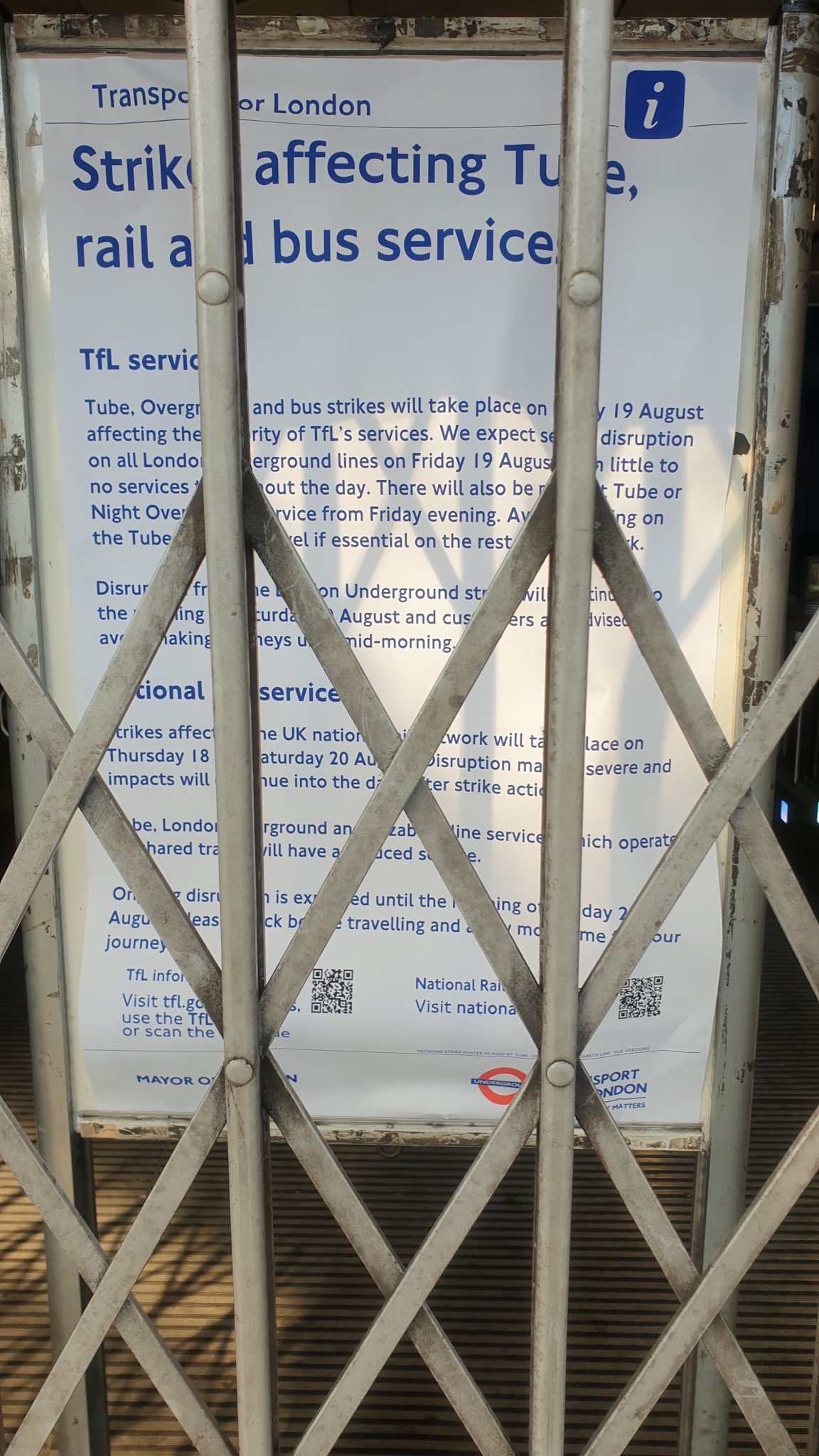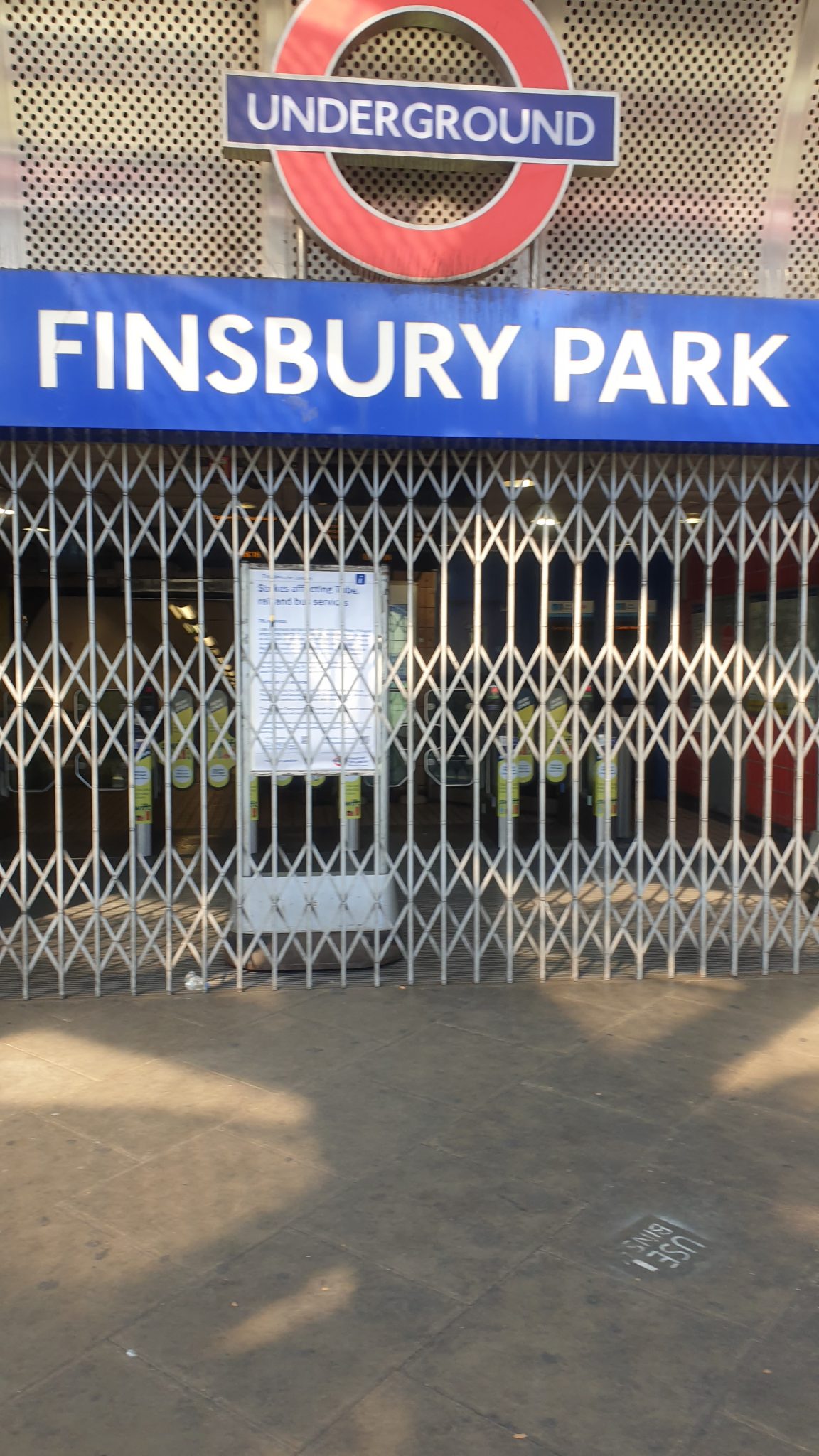

London’s transport network ground to a halt on Friday as train and bus workers held strikes over pay and conditions, the latest in a summer of labour market disputes as double-digit inflation eats into wages.
All London Underground and Overground train lines were suspended or part suspended and dozens of bus routes in the west of the city were disrupted, Transport for London (TfL) said.
Tens of thousands of workers from the wider national rail network walked out on Thursday and will do so again on Saturday.
Data showed inflation at 10.1% in July, the highest since February 1982, as rising energy costs resulting from Russia’s invasion of Ukraine hit consumers directly through their household bills, and indirectly through rising food prices.
“We don’t want to be in a 1970s vicious circle where you end up with salaries increasing, inflation increasing and so on and so forth. You never get out of this,” Transport Secretary Grant Shapps told the BBC.
TfL is itself in prolonged negotiations with the government after the expiration of an emergency state funding deal, in part necessitated by a post-pandemic fall in passengers.
Workers in other British industries are also planning future strikes or moving towards industrial action. These include port workers, lawyers, teachers, nurses, firefighters, and waste collection, airport and postal staff