

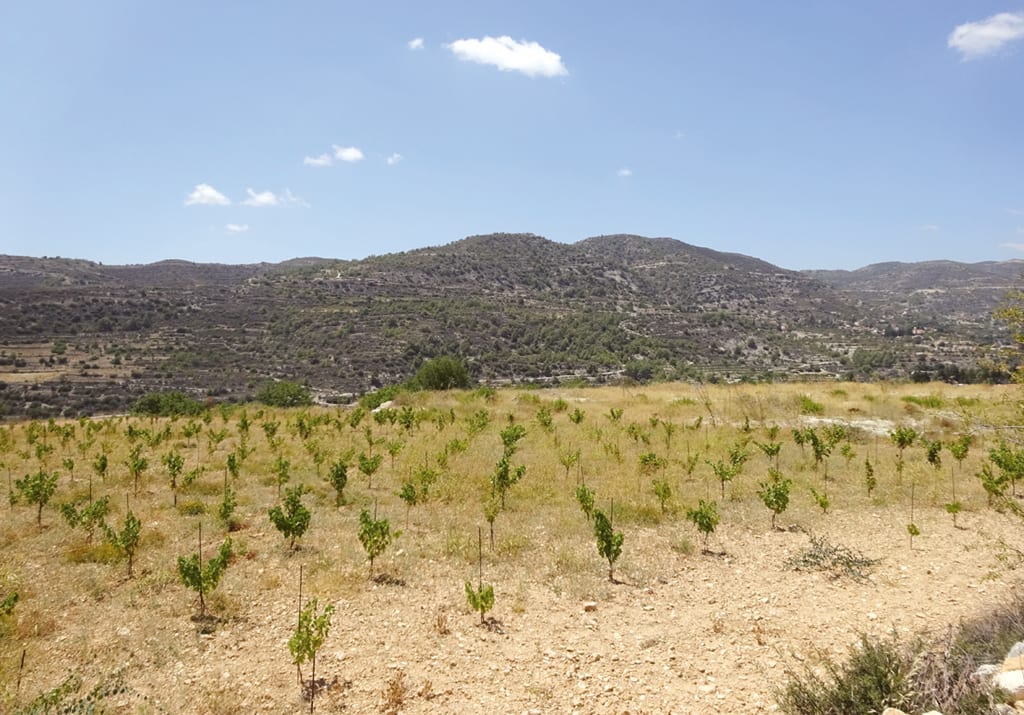
During this journey into Cypriot viniculture, much of the more scientific and biological elements have been explored yet it seems that the overwhelming emphasis is on the historic.
Viniculture is deeply engrained in history of Cyprus. Cypriots have been producing wines from Cypriot wine country for generations albeit with more crude methods, however their local knowledge has been essential in the cultivation of Cypriot vines into wines. The vines have developed and are cultivated with the utmost care.
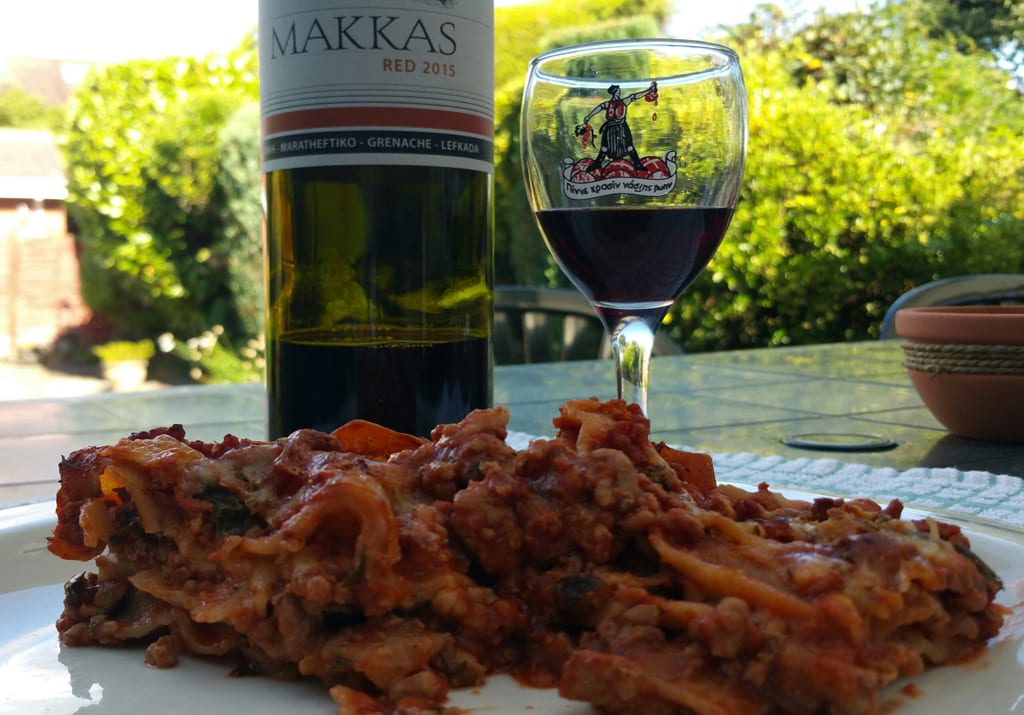
There are plenty of varieties when it comes to Cypriot vines, they have been overall rejuvenated with many wines now being produced purely with indigenous varieties as well as mixed with foreign blends a great example is Shoufas Winery their delicious ruby coloured red wine, a blended mix of the indigenous Maratheftiko and Lefkada varieties with Shiraz.
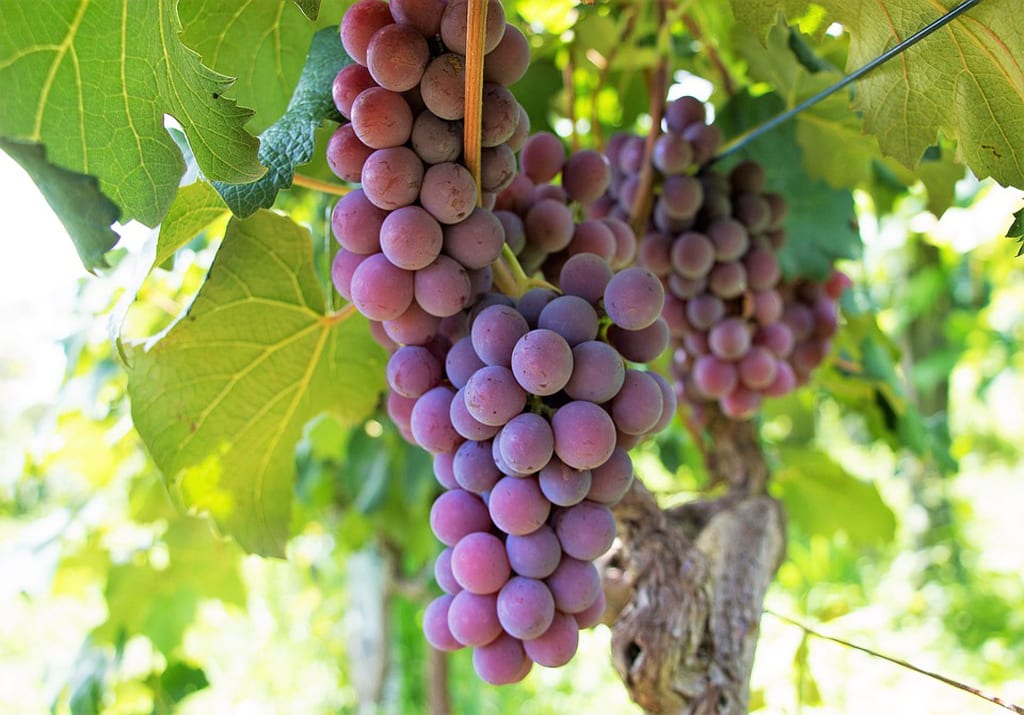
Lefkas or more recently referred to as Lefkada has been cultivated in Cyprus for ages, but this variety is originally in fact a Greek variety. This variety has been described by many names and its exact origins contested, it has been confused with the Venetian variety Marzemina Nera however there is a difference whereby the Venitian variety has pointed teeth leaves. Lefkada was has also be referred to under the name Bertzami and as Vartzami it’s easy to see the similarities between the etymology as B’s and V’s have often been mistranslated from Greek to English copy and vice-versa a typical example would be the Byzantine Empire, where scholars mistakenly took the appearance of the symbol as the meaning. The Greek ‘Veta’ (Β/β) was used as the English ‘B’ however this should have been written in English as Vyzantine or Vyzantio.
Now back to grapes – Lefkas is found in isolated areas of Pitsillia and Vouni Panayia. Recognised as having white and fluffy young shoots on the top with the young leaves having a downy texture with areas of brown colouring. The adult leaves are large and orbiculate, coarse and pearly, usually three-lobed. The petiolar sinus is as much of the Cypriot varieties in a narrow lyre shape with overlapping edges and a small gap at the base, the teeth are ribbed and broad with the underside of the leaf downy, rendering it whitish in appearance. The clusters produced are average in size, cylindroconical, compact and may have two well-developed side clusters. The grapes are round, black and average in size with thick skinned and juicy texture, usually maturing in August-September time. LOEL Wines also produces a delightful Lefkada Dry Rose as part of their Evambelos Gi range, definitely one for when one feels the need to cool down.
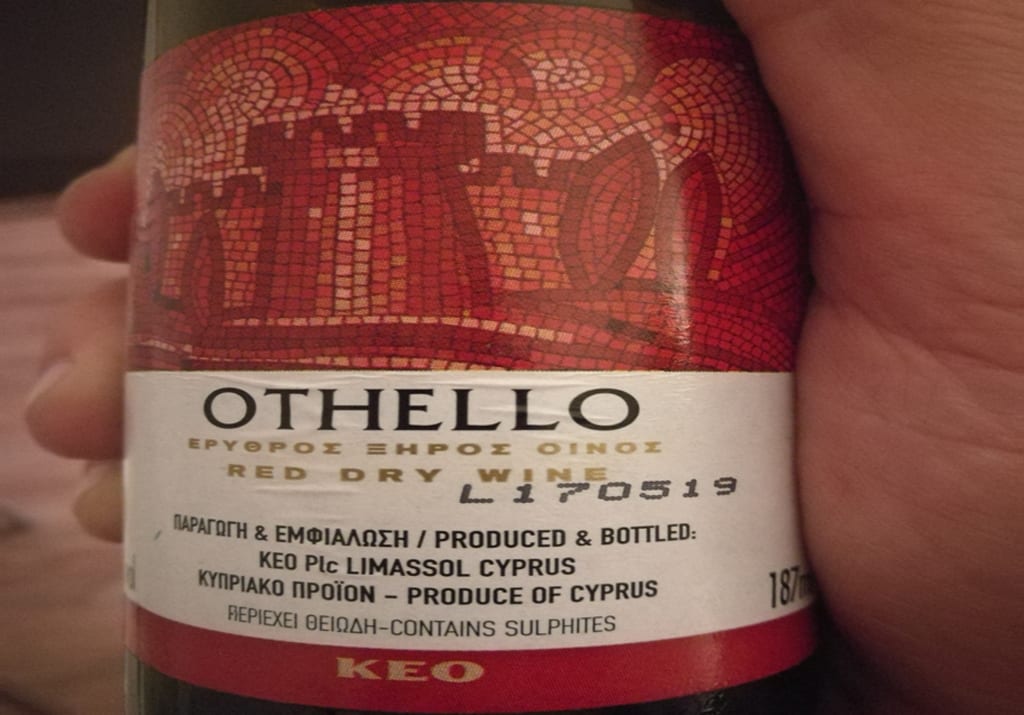
Ophthalmo / Ofthalmo or Ophthalmon / Ofthalmon was described by Professor Mouillefert in 1893 under the name Pophtalmo meaning ‘bulls’ eye’, he described the vine as “An averagely vigorous variety.” A bit of an oxymoron but these words are interesting as embedded in the contradiction is a sense of potential which has been proven by the wines that have been produced by this variety. He later also drew on comparison with the Mavro grape, noting however that Ophthalmo produces a more full-bodied wine. This particular variety has a sensitivity to mildew and thus needs extra care during cultivation. Professor Mouillefert noticed during his studies of the variety that a particularly good yield in the Larnaka region where the climate slightly differs. One can draw yet another comparison between Ophthalmo and Mavro as they both vines mature from July to August. Once again, this vine may have an ancestral connection to Greece. The Greeks have a native variety known as Voidomatis which Professor P. Galet describes as “could be identical to Ophtalmo”. The top of the young shoots is white and fluffy with he adult leaves being large five-lobed, the lateral sinus is pointed and narrow, the petiolar sinus is a narrow lyre shape or with overlapping edges. The teeth are ribbed and average in size with the underside of the leaf with a downy texture. Clusters are average in size, conical and loosely packed, the grapes produced are round, average sized with a blue-black colouring the skin firm, containing juicy flesh. Interestingly one of KEO wines trademarks is the Othello brand which is made from Ophthalmo and Mavro varieties the two combined provide a dry red wine with a rich berry aroma with a soft full palate in this blend, the vines used are both from the Limassol and Paphos wine regions.

The ingenious wine being internationally recognised especially in the Lefkada variety. Makkas Winery’s 2012 Lefkada was awarded at the Decanter World Wine Awards Zambartas Winery also picked up a Bronze for the 2013 Lefkada-Shiraz and it is our firm belief that that Cypriot wines, especially those of an indigenous varieites will continue to be recognised as producing outstanding wines.
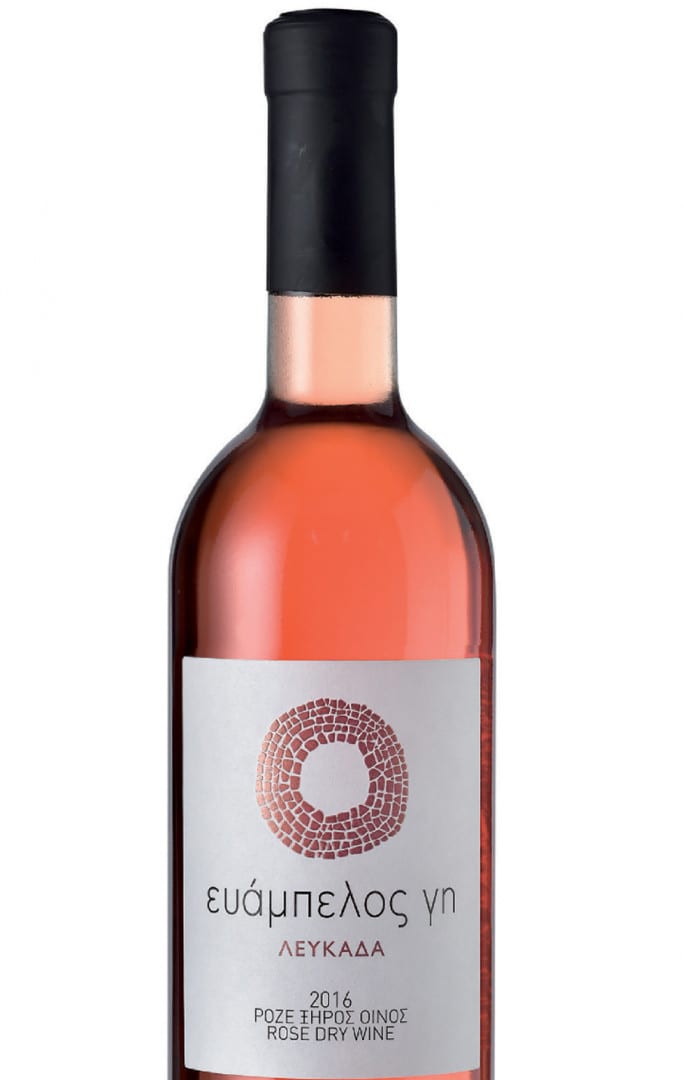
Photo Credit: CyWineFest team
Credit: Professor Pierre Galet/ Dr Caroline Gilby MW/ Professor P. Mouillefert
