

Racism is raising its ugly head again
By George A Savva MBE
In the wake of significant progress towards equality and social justice, it is disheartening to witness the resurgence of racism in contemporary society. Despite the tireless efforts of activists and advocates, racism continues to rear its ugly head, reminding us of the systemic and deeply ingrained nature of this problem. This essay aims to explore the current state of racism, its manifestations, and the urgent need for collective action to combat this destructive ideology.
Racism, deeply rooted in history, has plagued humanity for centuries. Slavery, colonization, and discrimination based on race have left indelible scars on societies across the globe. While progress has been made in dismantling overtly racist systems, the resurgence of racist sentiments demonstrates the persistence of deep-seated prejudices.
In recent years, the rise of nationalism and populist movements has provided fertile ground for the resurgence of racism. The fear of the “other” and the desire to protect one’s own identity has led to the demonization of certain racial and ethnic groups. This dangerous rhetoric further exacerbates divisions and perpetuates discriminatory attitudes.
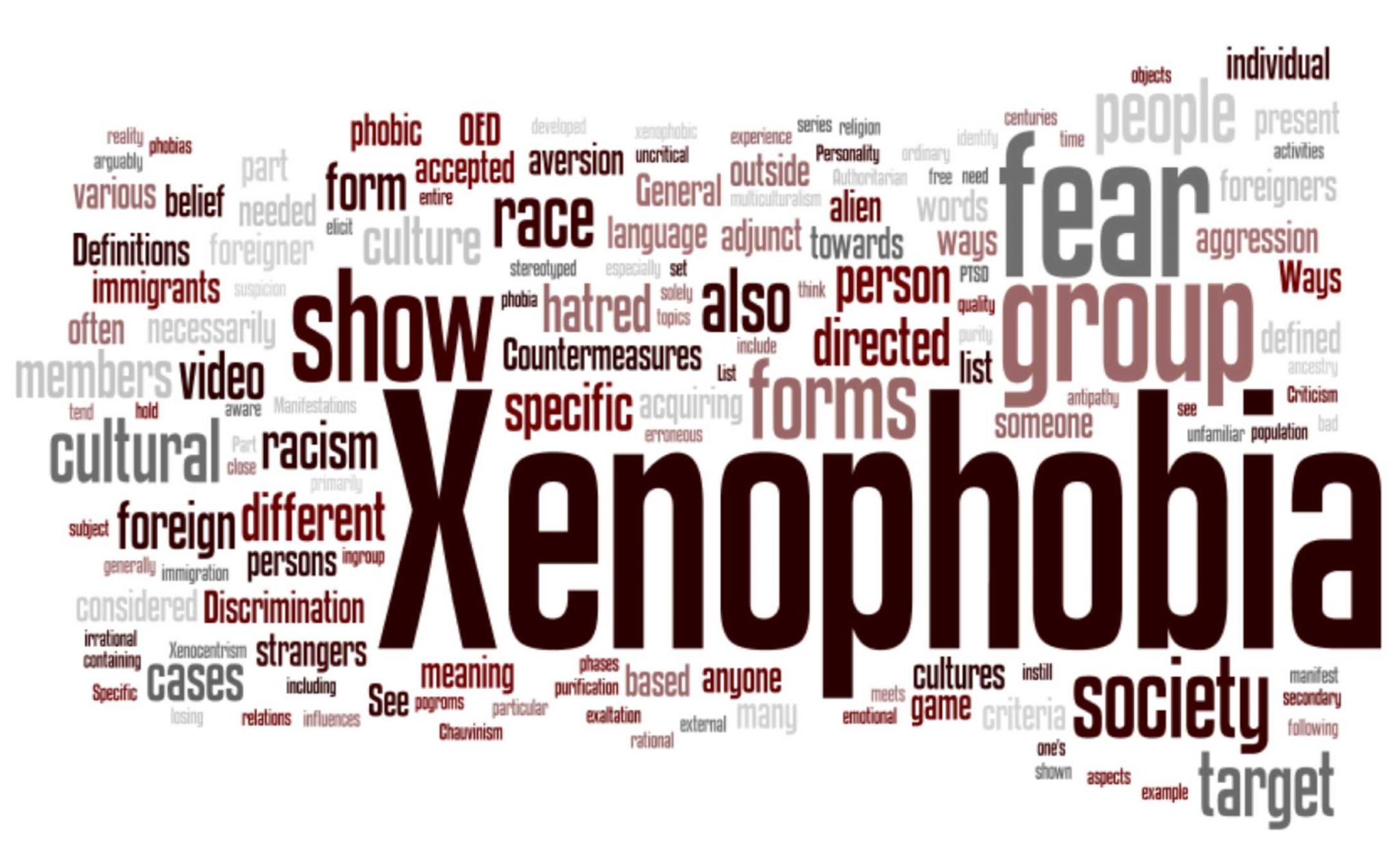
One of the most visible manifestations of racism today is the alarming increase in xenophobia and anti-immigrant sentiment. In a globalized world where migration is a reality, certain individuals and communities are targeted based on their race or nationality. This not only creates an atmosphere of fear and hostility but also undermines the fundamental principles of inclusivity and diversity.
Racism is not limited to verbal or ideological expressions; it also manifests in violent acts and discrimination. Hate crimes against racial and ethnic minorities have surged in many parts of the world. People are targeted solely because of their race, leading to tragic consequences. Discrimination in employment, housing, and education persists, hindering the advancement of marginalized communities and perpetuating cycles of inequality.
The rise of social media and online platforms has provided a powerful tool for spreading racist ideologies. The anonymity and accessibility of the internet have enabled the proliferation of hate speech, racial slurs and extremist ideologies. Moreover, the creation of echo chambers fosters a sense of validation for racists, enabling them to further radicalize and recruit others.
Beyond individual acts of racism, the systemic nature of racism is a significant concern. Institutional racism continues to persist in various sectors, including criminal justice, education and healthcare. Disproportionate representation of racial minorities in prisons, achievement gaps in schools and healthcare disparities all illustrate the structural barriers that perpetuate racial inequality.
To combat the resurgence of racism, education and awareness play pivotal roles. Promoting comprehensive curricula that teach the history of racism and its consequences is crucial. By fostering empathy, critical thinking and understanding, education can empower individuals to challenge racist attitudes and dismantle discriminatory systems.
Addressing racism requires collective action and solidarity. Individuals, organizations and communities must come together to stand against racism in all its forms. Ally ship and advocacy can help amplify marginalized voices, support anti-racist initiatives and create spaces for dialogue and change.
Governments and policymakers have a vital role to play in combating racism. Strengthening existing anti-discrimination laws, implementing affirmative action policies and ensuring equal representation in decision-making processes are essential steps towards dismantling systemic racism. Holding accountable those who perpetuate racism through hate speech, violence, or discriminatory practices is equally important.
Yes racism does come in all shapes and forms and from quarters you least expect them to arise.
We need to combat racism in whenever wherever it occurs. Racism awareness sessions in schools, colleges and in all walks of life, if we are to face the problem head on and wipe it out from our everyday lives.
Believe me as a councillor for 37 years, I have experienced racism coming from all angles and from areas I have never expected, not that I am shocked, but I am disgusted by some people’s behaviour who should at least know better.
It is our duty to challenge racism if we really want to see a fairer society based on equality and justice, for a better tomorrow for our families and future generations.
