
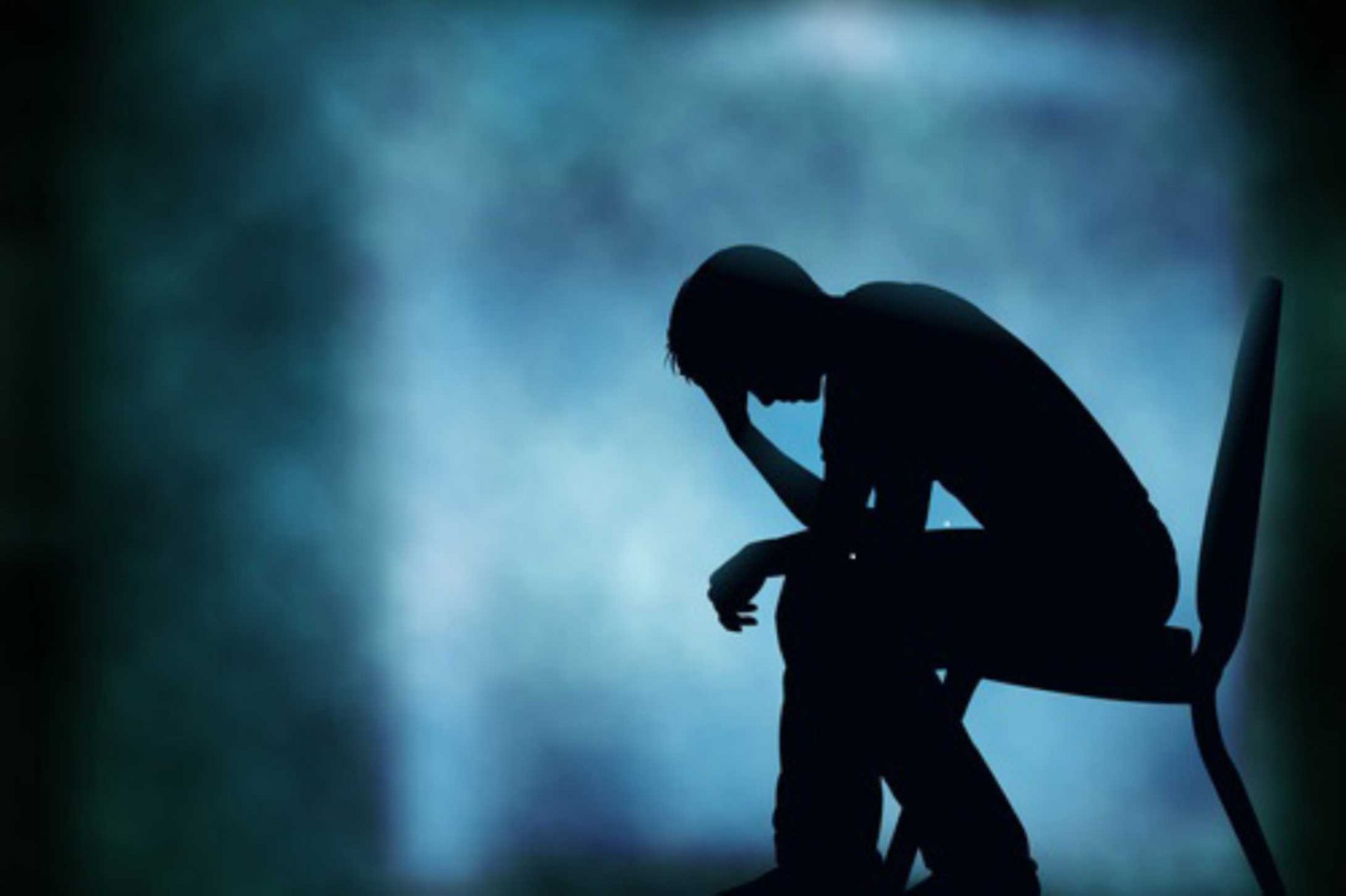

Loss can be experienced in so many ways – the loss of our health, our independence, our job and professional identity, or our home, but the loss of life is undeniably the hardest one to have to face. Losing someone we care about, respect and love, can be devastating.
Grief is culturally bound and affects people differently. In our clinical roles as helpers however, we often come across some common responses of people reporting their initial struggle to accept the sad news of their bereavement, when either under the fear of the inevitable or in a state of shock, they describe feeling numb and deny what has happened to them. They describe how they get through each day in a rather disengaged way, whilst at the same time trying to focus on dealing with the funeral arrangements and any practical matters. Somehow, that process keeps them distracted from their grief, until they start to get overwhelmed by their feelings of sadness and emotional pain. People may also express a great deal of anger about the denied loss, the timing and circumstances of the loss, and direct that anger towards themselves, or those to whom they attribute some blame for letting them down, and even towards God. Indeed, our spiritual beliefs get challenged, and those bereaved may choose to withdraw from them and those around them, like their friends and family members, as they feel abandoned, lonely and very hurt. Yet, all that anger communicates to us is the pain and the love we feel for the person who is no longer with us.
Other expressed feelings during our mourning process can be the doubt and guilt associated with the possibility of having perhaps done things differently, or not having missed those opportunities we could have had prior to the loss. Inevitably, such feelings carry us through a period of intense sadness that may be experienced as never ending, or potentially never recovering. Those around us, in their efforts to be helpful, may use the wrong words or expect us to ‘be strong’ in their own terms, or even make us think that what we feel is inappropriate or abnormal. In fact, the process of healing will take its time, before those understandable feelings can be gradually overcome, and a stage of acceptance of and adjustment to the new reality in the physical absence of those who passed away can be reached. When that absence will no longer feel so strong in the very presence of our memories that we build up and hold so dear, to keep us comforted and grounded. Within the right time, one learns that the thought of having some help available in the context of: ‘I am here for you if you need me,’ is appreciated more than the one suggesting” ‘I am here for you because I know how you feel.’
Each experience of loss is very personal and if one wants to consider being also supported by a professional, that choice should be respected and neither assumed nor imposed.
Antony Sigalas
Psychotherapist for the Alpha Care Counselling Service
Tel: 020 8373 6287