
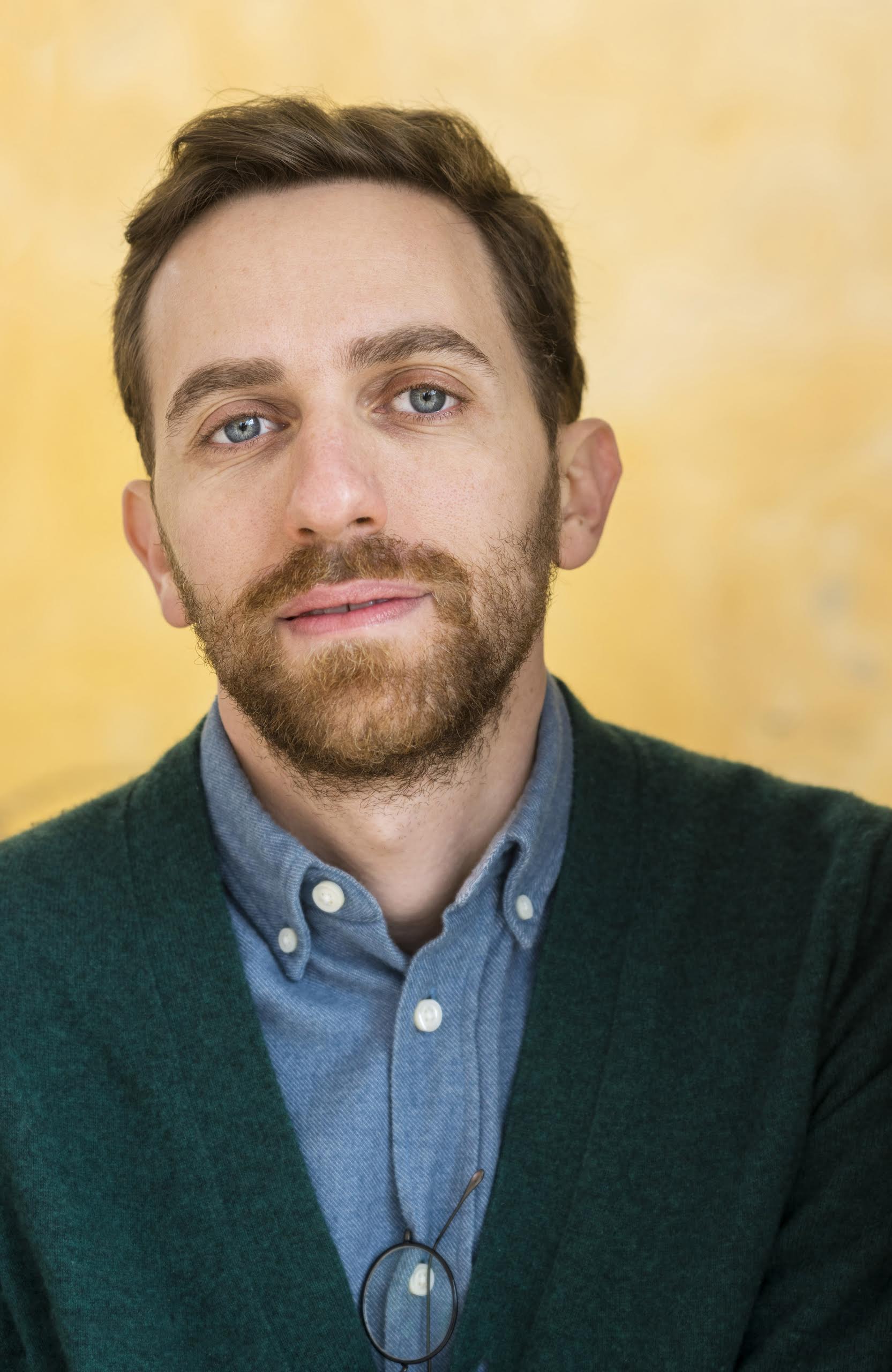

Cypriot artist Christodoulos Panayiotou’s Republic of Cyprus Pavilion for the 56th International Art Exhibition – La Biennale di Venezia continues the artist’s ongoing interest in identifying and uncovering hidden narratives in the visual records of history and time.
Titled “Two Days After Forever” and curated by Omar Kholeif, Panayiotou’s project take as its point of departure what is described as “the invention of archaeology and its instrumental role in forging the master narrative of history.”
Through a series of artistic interventions spanning architecture, choreography, and text, Panayiotou considers “how the formal structure of antiquity can be fundamentally interrogated,” and in the process enables the emergence of new spaces of imagination.
To find out more about his Republic of Cyprus Pavilion, which can be found at the Palazzo Malipiero, BLOUIN ARTINFO got in touch with the artist and asked him a few questions.
Your Venice Biennale exhibition in the Cyprus Pavilion is titled “Two Days After Forever.” Could you explain the origins of the title and what it expresses and reveals about the presentation?
Titles just happen sometimes. Verbalizing definite thoughts at a specific moment in time—and often before it is time—remains a fragile exercise. In this case, “Two Days After Forever” was somehow dictated to me. I was listening, once again, to Nina Simone’s impressive improvisations at the festival of Montreux, where she established an eloquent rivalry with her audience. Amongst many wonderful surprises, while singing “I Loves You, Porgy,” she promised to an imaginary Porgy her love not only “forever,” not even until “one day after forever,” but until “two days after forever.” I had listened to that specific recording innumerable times, but that was the first time I grasped this augmented pleonasm projected to the hyperbole of the future that “forever” is. I found it very much relevant to the articulation of the works I was preparing for Venice and I still believe it is.
What was the initial inspiration behind “Two Days After Forever” and how did it develop into the exhibition that visitors will see in Venice?
I don’t know if inspiration is the right word, but following a visit to the conservation department of the Cyprus Archaeological Museum I developed an emotional fascination with the large number of wooden boxes filled with tesserae from ancient mosaics. Those ultimate fractions of an archaeological fragment were poorly identified in the locations where they were found and could therefore not be added to the whole during the restoration process. Borrowing those tesserae, working with them, and returning them once the biennial is finished to be “de-created” and reverted back to the form of the archaeological fragment has become the driving force behind my show in Venice.
In what ways did you engage with, and react to, the characteristics and architecture of the Cyprus Pavilion?
The space was fundamental in the development of the exhibition. The Cyprus Pavilion was for many years located in the same building, Palazzo Malipiero, but in a different location. A location that is considered better in terms of visibility and spaces. However, we decided to move it to the back streets of the Palazzo for a series of reasons, a central one of which being the fact that it constitutes, in itself, a form of a living archaeology of the very building – it is the oldest standing part of the palazzo and dates back to the 11th century. It also constitutes a dynamic experience of the layering of time that goes beyond scenography. It becomes a landscape and a concrete support for the works I developed: the floors, the windows, the pots…
Blouinartinfo