


Following on from last week’s article focussing on the many wine routes on offer in Cyprus begging to be explored, and in advance of holiday season, the CyWineFest team thought we’d continue the theme and highlight the many hidden gems in Cyprus worth a visit. Cyprus is truly one of the most diverse places in the world – it is full of indigenous species of flora and fauna, and has one of the most unique histories which has influenced modern Cypriot culture. Whether your interest is in architecture, archaeology, nature, culinary exploration or general fun in the sun, Cyprus has it all, and if you can drag yourselves away from the beautiful blue flag beaches, you won’t be disappointed.
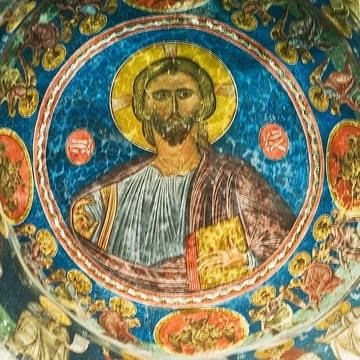
It is always so easy for families to repeat the same holiday routine every year, visit the same beaches, the same waterparks, and same restaurants, and these are great, otherwise we wouldn’t all keep going back! But why not take a drive one day to Panagia tou Araka in Lagoudera village in the Troodos mountains about 50km from Nicosia?
It is one of Cyprus’ painted churches. It was built in the 12th century as part of a monastery, and its interior is an exceptional example of Byzantine art. It is believed that the many stunning murals which cover the church’s ceiling and walls were painting around 1192 by Theodoros Apsevdis. The quality of the centuries-old art is astounding, and it’s all been incredibly well preserved. In fact, the building boasts the most complete set of frescoes from Cyprus’ Middle Byzantine period. In 1985, the church was put on the UNESCO World Heritage List which has ensured that these stunning murals can be enjoyed by thousands of visitors in the future.
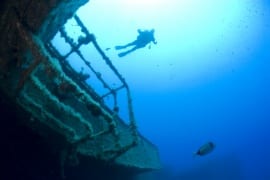
If you’re looking for something different to do in Larnaca, you can head out to the Zenobia shipwreck which was a large ferry that sank, some say in mysterious circumstances, on its maiden voyage in 1980. The massive wreck has since become a major diving destination, but you don’t have to scuba dive in order to see it. The water is so clear you can see it just from snorkeling at the surface, or even from a glass-bottomed boat.
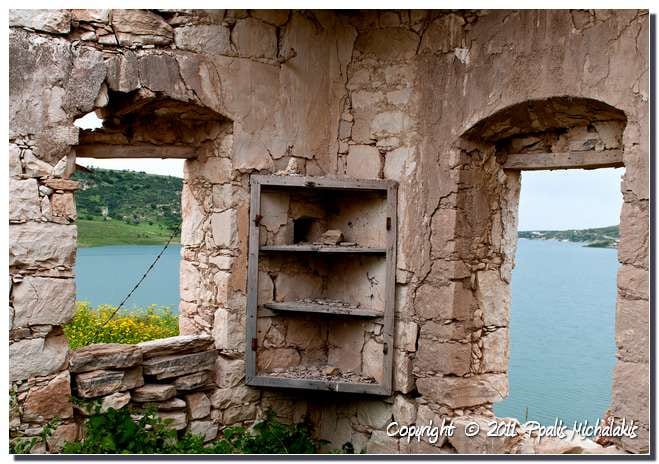
Foinikas in Paphos, is an oddly beautiful ghost town village which was supposedly founded by the Knights Templar in the 12th century after Cyprus was invaded by Richard the Lionheart during the third crusade. The village had been inhabited mainly by Turkish Cypriots and then subsequently Greek Cypriots. But following a decision by the Government to build a dam in a nearby river, the settlement became prone to floods and unsafe, and so was abandoned. The old stone houses alongside the more newer structures have been left to erode and decay
 .
.
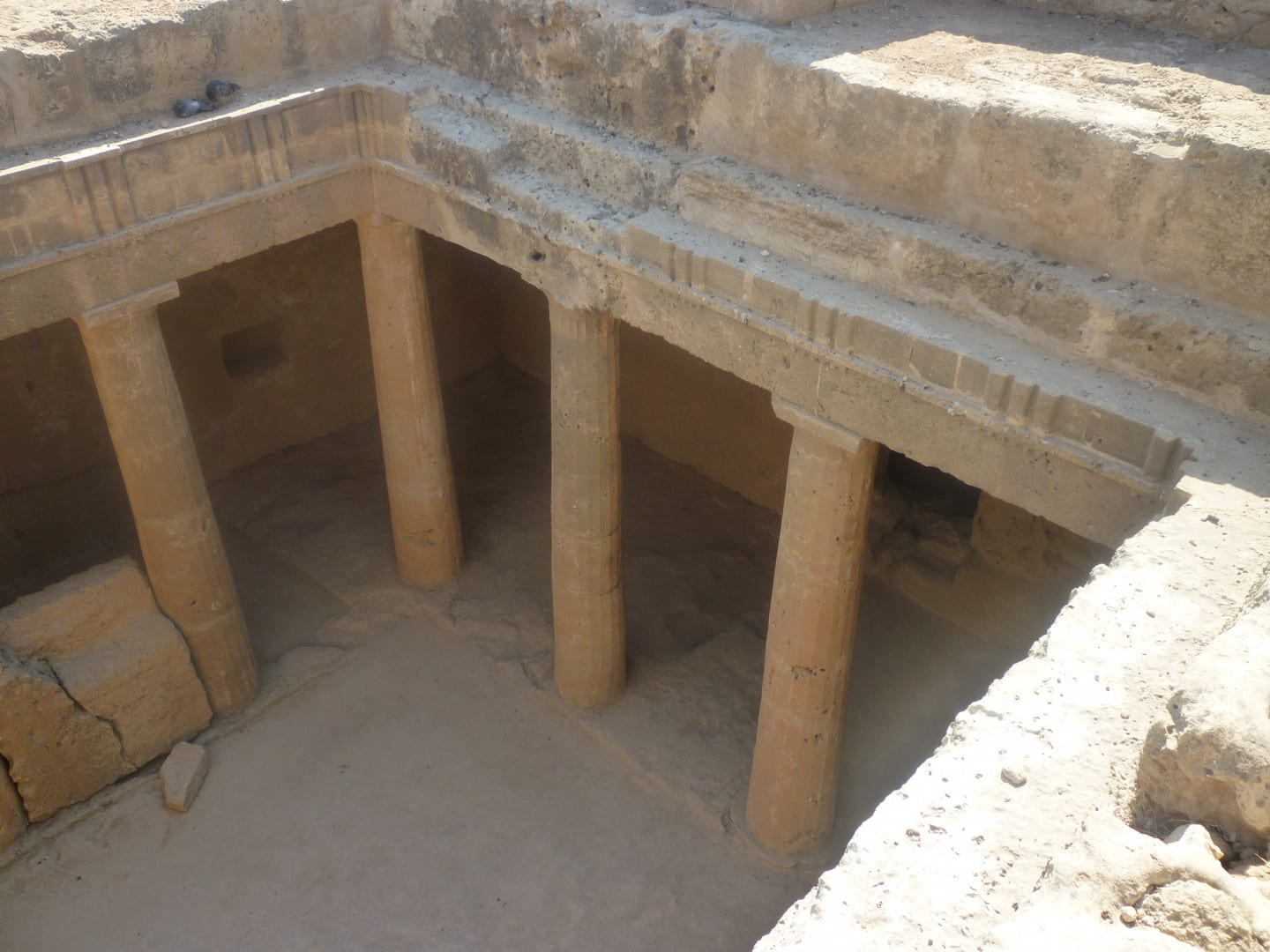
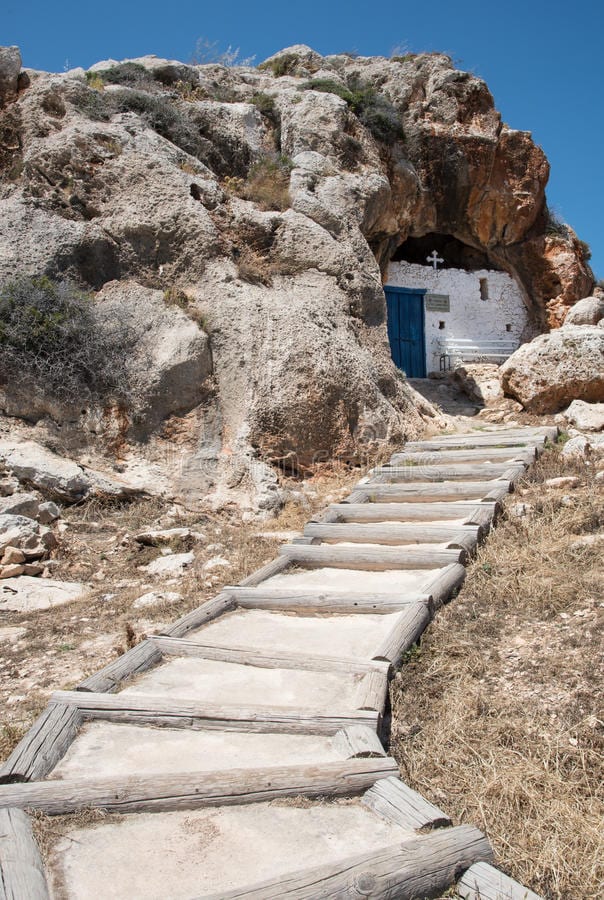
The weathered buildings stand like sad, forgotten memorials to the people who once called the settlement home. Tombs of the Kings in Paphos is perhaps better known to Cypriots and tourists alike, and is an ancient necropolis containing numerous tombs dating from the 3rd century BC to the 3rd century AD. There is no evidence that any kings were actually buried there, but rather, the area got its name due to the grandeur of the tombs which were the burial places of wealthy senior government officials and aristocrats and had elaborate decorated walls and columns carved out of the solid rock. The site is fascinating and is yet another of Cyprus’ UNESCO World heritage sites. And last but certainly not least, why not take a walk in Protaras? But don’t fret….. I’m not suggesting a night out on the town, but something altogether different, and in complete contrast to the party night life – Ayioi Saranta Cave Church. It is special because it simply is a church that has been built into a cave, in an out of the way, rugged location. Cyprus doesn’t lack churches, but this is arguably one of the most magnificent simply because of its uniqueness. There is no official reference of when this church was first built, or why, but it is thought that the word ‘Saranta’ meaning ‘40’ in Greek is derived from forty stalagmites on the ceiling of the cave.
The Cyprus Tourism Organisation (CTO) and the Cyprus Trade Centre are always on hand at CyWineFest every year providing visitors with lots of interesting facts and stats about the island, as well as countless information on all places of interest to visit. It is not every day that you get to talk first hand with representatives of the Cypriot Embassy here in the UK. But if you missed them at this year’s event, information about the places highlighted in this article, and a wide range of places of interest throughout Cyprus can be found on CTO website and other travel sites. If you have your own Cypriot hidden gem you’d like to share with us, please get in touch, and we may feature it in a future article – unless of course you want your hidden gem to stay hidden from tourists!!
Keep in touch with us, through our social media channels on Facebook, Instagram, Twitter and YouTube @CyWineFest and of course our website: www.cypriotwinefestival.com
Chriso Ioannou