

An agreement signed between Cyprus and Switzerland on the import and repatriation of cultural property between the two countries enters into force and covers Cypriot and Swiss antiquities dating from prehistoric times to 1500 AD comes into effect from 15 February 2014.
An official statement on Friday said the agreement, signed on 11 January 2013, provides for the prohibition of the import of cultural property to the two states in cases where the regulations of the country of origin were not satisfied. At the same time, it lays down the framework of cooperation on the repatriation of illegally exported cultural objects and it promotes scientific cooperation and archeological exchanges between Cyprus and Switzerland.
The signing of the agreement, in conjunction with the Memoranda of Understanding concluded by the Republic of Cyprus with other countries on the imposition of restrictions on the import of Cypriot antiquities to the said countries, constitutes an important step at large towards the protection of Cyprus’s cultural heritage, as well as towards the prevention of illicit trafficking of cultural treasures in particular, which are the object of systematic pillage of our cultural heritage in the occupied areas, the statement concluded.
The 1974 Turkish invasion of Cyprus and the subsequent occupation of the island have taken a heavy toll on Cyprus’ cultural heritage and despite existing internationally binding treaties regarding the protection of cultural heritage, Turkey chooses to ignore the treaties and continues its destructive agenda. The damage is grave and in many cases, irreversible.
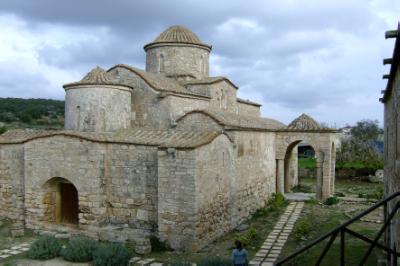
The occupied museums have been looted and so have many private collections of antiquities. Churches have been vandalized; ecclesiastical icons and vessels stolen, church frescoes and mosaics have been removed and in many cases have been traced in Europe’s illegal antiquities trade markets and in auctions around the world. The most serious and large-scale damage has been noted on the islands’ occupied churches. Some of the churches have even been demolished, others pillaged and some are currently being used as stables, mosques or as part of military camps