
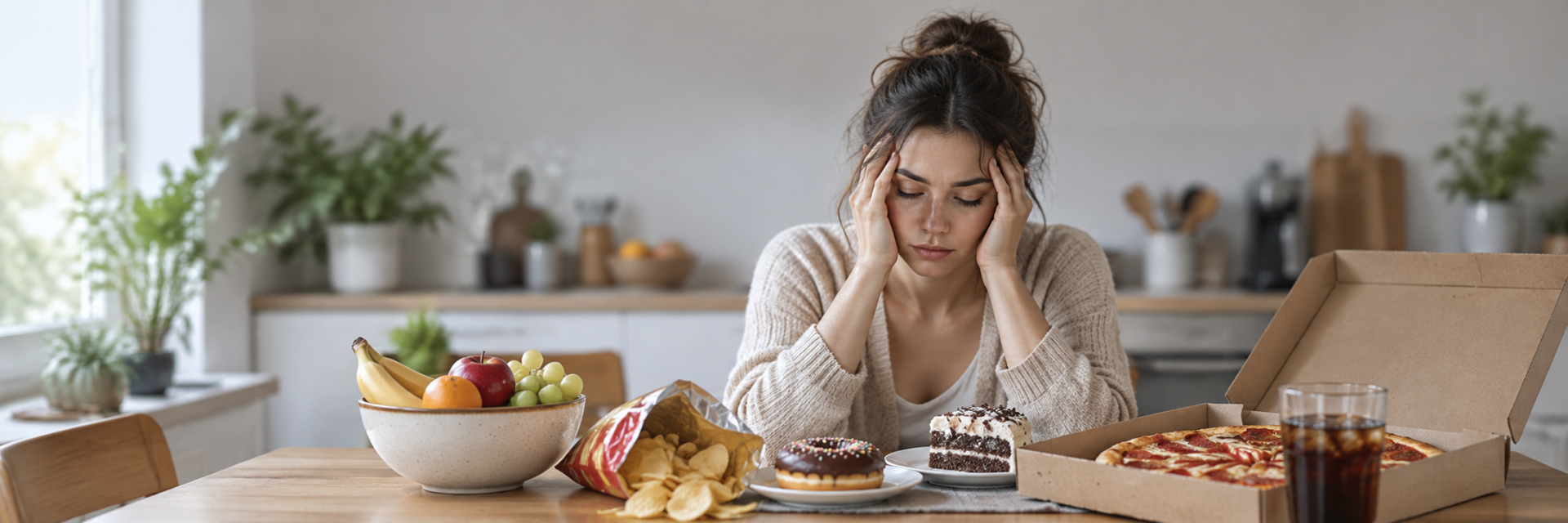

From instant noodles, packaged snacks to sugar cereals, along with soft drinks, ultra-processed foods make up more than half of the average modern diet in many countries. These foods are industrially formulated with additives, flavour enhancers and preservatives, often far removed from their original ingredients. While the impact on health, be it obesity and heart disease, has long been recognized, the scientists are now sounding the alarm a little further on their psychological consequences.
We have always known the saying “you are what you eat”, be it gut health, speeding up the metabolism, or slowing down energy and mental alertness in cognitive skills caused by an overload on refined sugars and fats.
Recent study published that followed more than 30,000 adults over several years, has shown that those who consumed higher amounts of ultra-processed foods had significantly higher rates of depression and anxiety. The British journal of psychiatry had linked high ultra-processed foods with the increased like to cognitive decline and poor emotional regulation.
So, it is not just about the lack of nutrients, it is also about what the foods do to the body’s system. Ultra-processed foods can cause spikes in blood sugar, inflammation, weight fluctuation, skin disorders, disruption in the gut microbiome – all these factors have been tied to mood disorders.
Knowing that what is good for the body is also good for the brain, is essential for a stable mind. Highly processed foods may alter brain chemistry through chronic inflammation and poor gut health.
Many people turn to processed foods – it is quick, cheap and it is everywhere, be it at the tills when you pay for virtually anything, or vending machines when there is nothing else of real food available anywhere in sight. Often used for comfort and convenience, especially during stressful times, but one should consider that coping mechanism may backfire by taking a serious toll on our mental health.
People under pressure often crave fast, salty or sugary foods, unfortunately it is those same foods that can worsen fatigue, irritated ability and depressive symptoms, creating a loop that’s hard to break.
Cutting out processed foods completely may not be realistic for everyone, especially given rising grocery costs and busy schedules. What most people can do is use the food upgrading system of small sustainable alternative swaps. Changing instant noodles with quick wholegrain pasta and some olive oil, make homemade soups and stews which can be frozen, make homemade chips or potatoes in an air fryer, bake a cake, or make some apple and fruit compote or crumble with an alternative sweetener and use some oats with wholemeal flour.
One reason ultra-processed foods may be hard to give up is that they are engineered to be irresistible. Food manufacturers use what’s known as the ‘bliss point’ – the ideal combination of sugar, fat and salt that maximizes pleasure and keeps consumers going back for more. This creates a cycle that is tough to break; people feeling stressed or low often reach for those comfort foods which provide a quick dopamine hit but followed by a quick drop – as it crashes, it leads to irritability and more cravings later on.
It may not be just a lack of willpower, these foods are designed to hijack your reward systems, so breaking free requires both education and emotional support with intense willpower for change.
Make simple swaps such as:
Breakfast – Choose plain, no added sugar cereals like plain oatmeal, rather than sugar laden cereals.
Snacks – Nuts, yoghurt, fruit; note that some dried fruit may contain more than just a bit of oil, some have added sugar and preservatives, so check that ingredient label.
Dinner – Make double portions of some soups, stews and other bakes.
Drinks – Limit those sugary beverages, make it occasional if you don’t want to completely cut them out.
Do your best to make the change and see how much better you feel – your energy, body functions and mind power should be more active and sharper.
Live well!
Love and Sparkles
Samsara x
wwwsamsarabellydancer.co.uk
Facebook: Samsara Kyriakou