
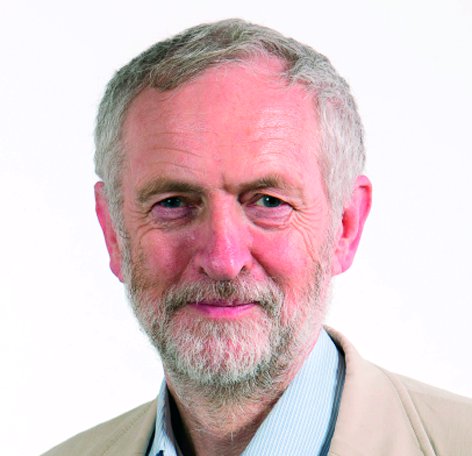

Jeremy Corbyn has said he will formally apologise on behalf of the Labour Party for taking the country to war with Iraq if elected leader.
Mr Corbyn told the Guardian the party would “never again flout the United Nations and international law”.
It comes amid a row over eligibility to vote in the leadership contest, with a comedian barred from taking part saying the contest was being “rigged”.
Polls suggest Mr Corbyn is leading Andy Burnham, Yvette Cooper and Liz Kendall.
‘Past time’
Mr Corbyn told the newspaper the UK should “never again unnecessarily put our troops under fire and our country’s standing in the world at risk.”
He added: “It is past time that Labour apologised to the British people for taking them into the Iraq War on the basis of deception, and to the Iraqi people for the suffering we have helped cause.”
The left-winger also hit out at the delay in publishing the Chilcot Inquiry, saying it was “wrong”.
Ms Cooper has also highlighted Iraq as a mistake made by the last Labour government.
She told World at One on Thursday: “We need the Chilcot report out to know exactly what happened but we were wrong.”
And Ed Miliband said the Iraq War was “wrong” in his first party conference speech as Labour leader in 2010.

Political apologies
- Tony Blair has been dogged by his decision to take the UK to war in Iraq but has never apologised or said he made a mistake. While giving evidence at the Iraq inquiry in 2011 he said he “regretted deeply and profoundly the loss of life” during and after the 2003 conflict
- Gordon Brown said in 2007 that he would learn from the mistakes made in Iraq but he did not make any apologies during his time as leader. He told the Iraq inquiry that he believed the war had been “right” and was convinced the country was a threat that “had to be dealt with”
- Ed Miliband used a speech at the 2010 Labour party conference to say the party had been “wrong” to go to war. The newly elected leader said: “I criticise nobody faced with making the toughest of decisions and I honour our troops who fought and died there. But I do believe that we were wrong. Wrong to take Britain to war and we need to be honest about that.”
Meanwhile comedian Jeremy Hardy suggested Labour was “rigging the [leadership] election” to stop Mr Corbyn.
New regulations allow members of the public to sign up to vote as a “registered supporter” for £3.
But some have been told their vote will be discounted amid concerns non-Labour supports had registered to take part.
‘Legal challenge’
“The Labour Party might be trying to invite a legal challenge so that they can say ‘let’s just scrap the election’,” Mr Hardy said. “They are so desperate that I wouldn’t be surprised.”
Former Labour MP Andrew MacKinlay also accused the party of misusing canvass returns – collected at election time to gauge the level of support for candidates – to find people who have previously voted for other parties.
Labour deputy leader candidate Ben Bradshaw told Newsnight that Conservatives had tried to sign up in his constituency.
Mr Bradshaw said: “Voting for another party is not a bar to voting in this leadership election. The rules are quite clear about that. What the party is trying to do is test the integrity of the system.”
He added: “I have people in my constituency, life-long Tories who have deliberately signed up as registered supporters to vote in this leadership election. That’s not acceptable for any political party.”
The new leader will be announced on 12 September.
- Who are the candidates? Andy Burnham, Yvette Cooper, Jeremy Corbyn, Liz Kendall
- Dates: Ballot papers were sent out on 14 August; voting can take place by post or online. They must be returned by 10 September. The result is announced on 12 September
- Who can vote? All party members, registered supporters and affiliated supporters – including those joining via a union. More than 160,000 people signed up to vote as supporters, full members or union affiliates in the final days before the registration deadline, bringing the total size of the electorate to 610,000
- What is the voting system? The Alternative Vote system is being used, with voters asked to rank candidates in order of preference
- How does it work? If no candidate wins outright with more than 50% of first preferences, whoever is in fourth place drops out and the second preferences of their backers are reallocated to the other candidates. If there is still no winner the third placed candidate is then eliminated with their second preferences similarly reallocated. The candidate who has accumulated the most votes through the different rounds then wins.
