

The End of Empire
Martin Bell remembers Cyprus in the late 1950s
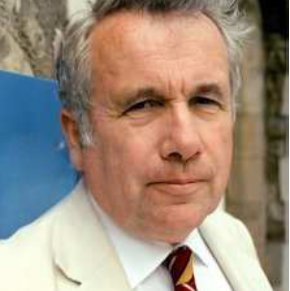
Martin Bell, the former BBC war reporter and Independent MP, served as a soldier in Cyprus between 1957 and 1959. In a chocolate box in his attic many years later he found more than 100 letters that he had sent home to his family. He was not a journalist then, but the letters are war reports of a sort, impressions of what it was like to be a conscript on active service during the EOKA rebellion against British rule. They describe road blocks and cordons and searches, murders and explosions and riots – and a strategy of armed repression that ultimately failed. The reality of the failure dawned on the young soldier only at the end, as he burned his intelligence files in perforated oil drums while the EOKA fighters were being feted as heroes in the streets of Nicosia. ‘It seemed,’ he wrote, ‘like a bonfire of the policies’.
From this beginning he has written The End of Empire.
What started as a personal reminiscence then turned into a narrative of the passing of the Suffolk Regiment, one of the British Army’s great regiments of the line. One of its officers, Lieutenant Colonel Arthur Campbell who was also an established author, was commissioned by one Governor of Cyprus to write a book about the campaign, Flaming Cassock, which was then suppressed by the next. Martin Bell used the Freedom of Information Act to rescue it from oblivion. He calls it ‘buried treasure’. He also uncovered an inch thick file of documents about its suppression.
The true story of the insurgency and the campaign to defeat it can only now be told. The End of Empire draws on former Top Secret documents that have been declassified within the past two years. These include a 400 page memorandum by Field Marshal Sir John Harding, Governor of Cyprus from 1955 to 1957; and the file on Operation Matchbox, a round-up of EOKA supporters which went ahead in 1958 despite being opposed by Harding’s successor Sir Hugh Foot. The former corporal in the Suffolk Regiment concludes that operationally the island was run not by the Governor but by a military junta. The Army commanders were looking for the knockout blow that would deliver victory; but their tactics served only to strengthen support for their enemy.
The End of Empire is a powerful and personal account of the violent process of decolonisation; of the character of the British Army at the time; of its codes of conduct, speech and dress; of the impact of National Service on young men who were not much more than ‘kids in uniform’; and of the ultimate futility of the use of force in wars among the people. ‘We were left at the last parade wondering what it had all been for: such great expectations and yet so little to show for them. It had not occurred to me – and did not, until the end – that it was all for nothing.’
The book is written from an Other Ranks’ perspective. No disrespect is intended, except where it is, to the Regiment’s gallant and distinguished officers. Despite the campaign’s failure, and a falling out with the Regimental Sergeant Major, Martin Bell concludes that much of his National Service was ‘on the sunny side of tolerable’; that his two years in the Suffolk Regiment were the best education he ever had; ‘and we who served can be proud that we served – the last who ever did – in the 12th of Foot’.