
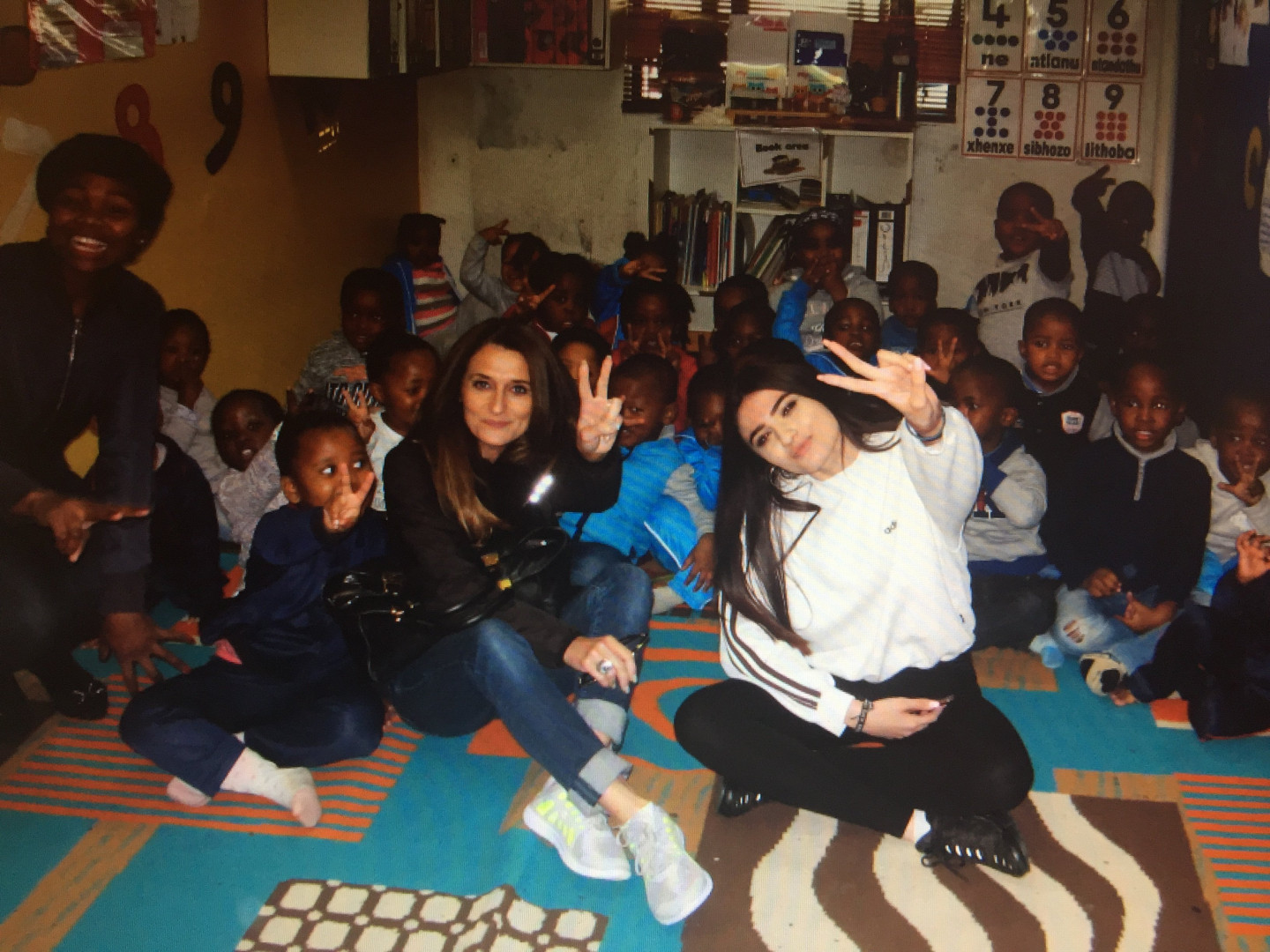


I visited Cape Town, South Africa on 27 June 2017. Given I had never visited Africa before, I was apprehensive and unaware of what to expect. For generations the media has given me different perceptions of Africa: like its captivating culture, luscious landscape and empowering population. Two months ago, I had the chance to discover a small portion of this mystery myself. It was a jam packed adventure that involved many early mornings and uncomfortable kips in coaches for eight days. Nonetheless, I am sure that what I saw and learnt during this once in a lifetime trip will truly remain with me forever.
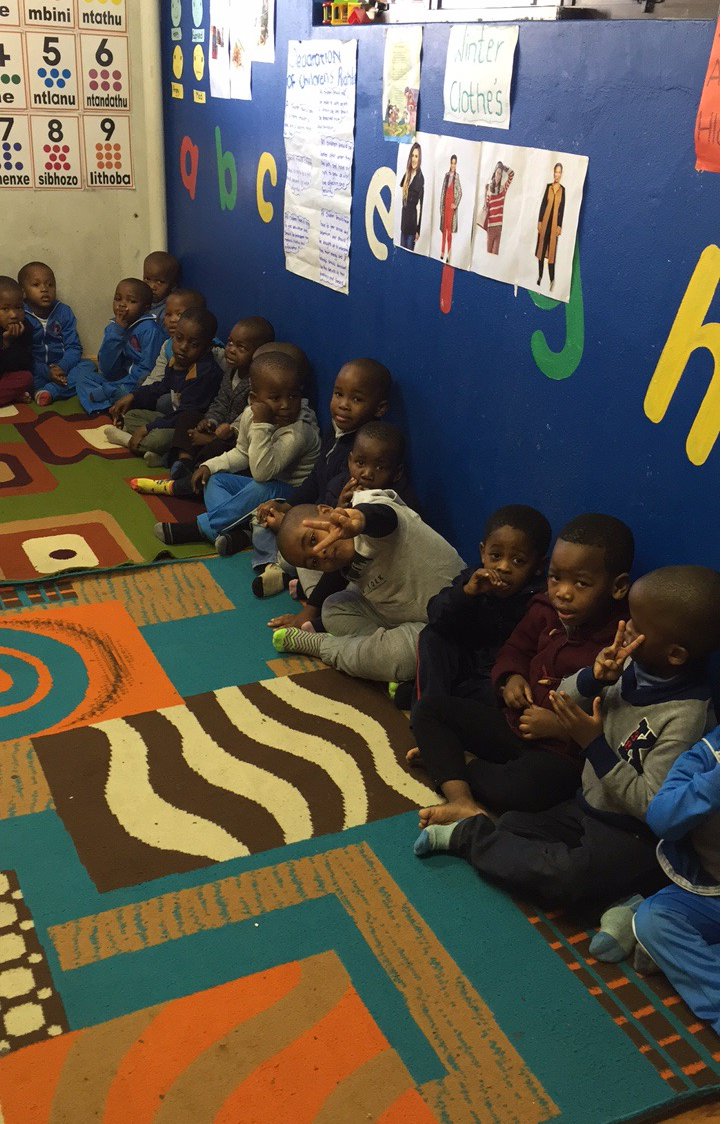
Life in Langa
Unbeknown to me, South Africa is one of the many countries in the world suffering with urban living. It is so underdeveloped, that squatter settlements and shanty towns form a large percentage of its urban environment. Like the slums in India, or the favelas in Brazil, millions of people across South Africa live in small corrugated iron huts with rotten wood for roofs with over 200 sharing the same loo.
Studying geography at school, I have been learning statistics for case studies about these areas for years now, and as poignant and painful as they are on paper, nothing compares to standing in the centre of one of these townships and feeling like a spec of dust within hectares of hardship that these people call home.
Most townships came to be during the apartheid, which began in 1948 and ended in 1991, where properties were reserved for “white’s only”, while coloured, Indian and black communities were forced to leave these areas and live segregated and isolated.
Langa is the township I visited. With a population of more than 52,401, it is one of the largest townships in Cape Town. Upon arrival I didn’t know what to expect; the most I had ever been exposed to were images in textbooks and facts and figures I had to memorise for exams. This, however, was real and tangible and was staring me in the face.
We began driving through the winding roads and narrow passes with a tour guide who actually lives in the township himself. This meant understanding firsthand what life really is like there. He explained that the government are really working at providing housing for all of these people and the evidence of this was clear. Yet, less than a minute later as we drove further into the depths of Langa, silence struck us all as we realised just how much more work needs to be done. For miles all I could see was flat topped shanty town. A family crowded into a hut, the size of a small bathroom. A child on the pavement playing with a tin can and cardboard. Why is human nature such, that one must witness adversity and destitution of this extent, to appreciate what we have? It brought a tear to my eye and an overwhelming swoon of shame. We got down and met a few children in the local nursery who sang “if you’re happy and you know it” and danced and played and had smiles plastered across their faces. We entered houses and spoke to people just getting on with their day like any other. For us, it was a twenty minute tour whereby we’d be home in a matter of minutes, for them, its life.
As we were leaving the township the tour guide told us that Langa means “sun” in Xhosa. And it is true; the people I met in Langa have the warmth and radiance of the sun itself. Despite the poverty and hardship, their smiles lit up the land and resonated like the rays of their emblem. This eye opening, life altering experience taught me so much and I will be sure to not let human nature let me forget that.
The Big 5
A far more light-hearted venture was the all-day safari excursion I went to Inverdoorn Game Reserve and Safari Park. A two-and-a-half -hour drive from Cape Town didn’t sound like an ideal plan, especially when we were up at 6:20 to catch the coach. Nevertheless, we were in for a treat.
The 4X4 was what you see in films, with tyres as tall as me and accompanied with a real life ranger. We set off and were advised to not keep our hopes up. It is a rare occurrence to see the formidable big 5 – lions, elephants, leopards, buffalos and rhinos.
First stop was the lion enclosure. We were told not to stand up in the vehicle as it aggravates the lions, so as you can imagine, this didn’t instil much confidence within us at all. Despite the ranger’s reservations, we did actually manage to see three lions. As expected, they were even more extraordinary than in pictures. Seeing such wild beauty in the flesh was exciting and silence struck us all yet again, not just in awe of his highness, the regal beast, but we were definitely too frightened to make so much as a sound.
After filling my camera roll with photographs from just about every angle, we set off to find some more. We stumbled across antelopes with broad bodies, and curled antlers, zebras with stark stripes each with their own pattern, like a human’s fingerprint. Next were the rhinos, which were cooling down by the lake. The ranger explained how their horns had to be cut as poaching is still rife in South Africa. This saddened me greatly as people still harm, even kill animals for their own benefit and refuse to admire their undeniable magnificence and splendour. However, even without their trademark horn, the rhinos lived up to my expectations as calm but completely captivating creatures. Both the buffalo’s horns and the leopard’s spots were impressive, not to mention the tusks and trunk on the elephants.
I’ve never been wild over wildlife, but I can safely say that was one of the best adventures I have ever been lucky enough to experience.

The fight for freedom
The first thing people think of when they are asked about South Africa is the apartheid; the raw, relentless struggle faced by millions of people, at a time where whites seemed to be the only ones that were treated right, with other ethnic groups facing discrimination and segregation on a gigantic scale.
The figurehead of freedom for these people is Nelson Mandela. Once president of South Africa, he was a revolutionary man that brought rights and respect which had never been seen before. However, by no means was it plain sailing for him. Mandela was removed from the mainland itself and exiled to the prison of Robben Island, off the south coast, for believing in equal rights and working at bringing about change. Robben Island was to be his home for no less than 18 years while serving an overall 27 year imprisonment.
I visited the island and went on a tour which explained how he fought for freedom. The tour guide was none other than a former inmate himself. Our tour guide was due to be released from prison in 2006, following a 15 year sentence, but with the end of apartheid he released; he felt that Mandela had achieved freedom for him like he did for so many who live to tell the tale.
The prison itself was daunting and gloomy, with cells to accommodate for the masses and others for one inmate only. There were boards up of replica menus showing blacks were only allowed one and a half oz. of brown sugar, but the coloured were allowed two oz. of white. We were told that life there was hard and deprived, to say the least, but they made the most of each other. They played board games, sang songs, held sports games on a Saturdays. They taught themselves how to get by and live by one another. They often went on hunger strikes to gain the privilege of white sugar; although most were content with brown, they all participated and formed a unified front. This was the same at the limestone quarry we visited. We were told that during the day labour, the inmates would often go into the cave and educate those who weren’t as educated. They lived by the motto “Each one, teach one”. A resonant, though provoking message that I believe was the reason why they pulled through, because they were strong and they were on the same team.
An unforgettable experience
It’s safe to say I felt and came face to face with a lot on this trip. I summited Table Mountain, one of the seven natural wonders of the world, to then stand at the Cape of Good Hope and the most southern point of Africa. Cape Town was a land of positivity, beauty and unity. The positivity which shone from Langa, the beauty of the wildlife in its exquisite form, and the deep-rooted unity which once discovered on Robben Island, transferred back to the mainland to empower them all.
It was an unforgettable experience, with an even more unforgettable lasting impa