
The status quo isn’t permanent
Article by AKEL Political Bureau member Eleni Mavrou
The attempt by the occupation authorities to violate the status quo and create new fait accompli by seizing part of the buffer zone in Pyla for the construction of a road is both reprehensible and unacceptable.
The excuse that the construction of a road between occupied Arsos and Pyla is necessary supposedly for “humanitarian reasons” does not convince anyone. The same could be said by the residents of Athienou, Louroutzina, Kokkina, Pyrgos…But also by those who live in Nicosia, Agios Dometios, Derynia, in areas where half of the roads lead to dead ends.
Solutions to such issues have been found in the past when goodwill was demonstrated by both sides. When Ersin Tatar said he was ready to discuss confidence-building measures (CBM’s), why did he not raise this issue? But how can CBM’s be discussed when not even a substantive meeting between the two leaders has yet to be agreed?
Even more disturbing was the attack launched on the members of the UN Peacekeeping Force in the area when, on a daily basis, they blocked unauthorised construction work in the area. But also the threat that nothing is over. The threat made by Fatih Ariji, chairman of the “Grey Wolves” in the occupied territories, to the peacekeepers is characteristic: “If the United Nations continues this stand, they will find the nationalist Turkish youth against them.”
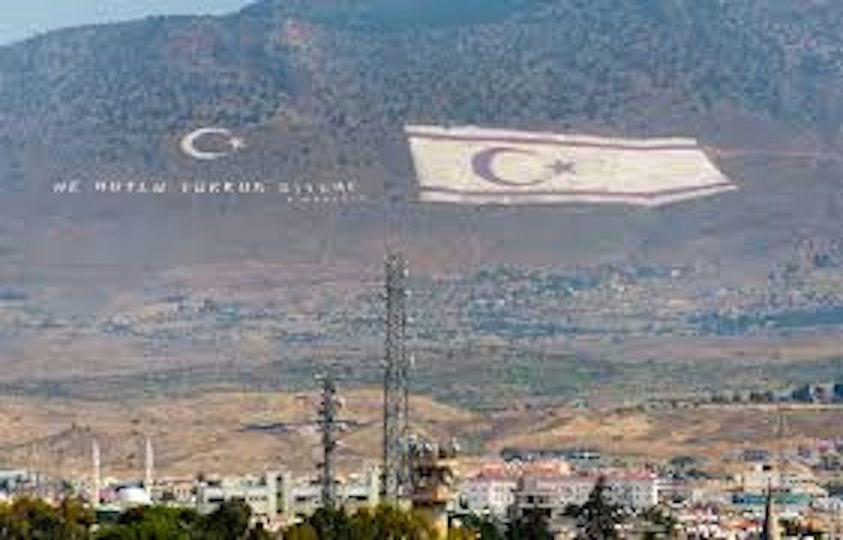
The events in Pyla confirm how dangerous the prolonged stalemate and inaction on the Cyprus problem is, that the status quo is not permanent. All the more so when these actions by the Turkish side are added to a series of other provocative actions that further undermine security on our island.
Almost half a century since the Turkish invasion and the separation imposed by the force of arms, only the willfully deluded cannot admit that the status quo is easily and permanently reversed. Life itself demands solutions. We should admit that the lack of a solution to the Cyprus problem and the absence of a negotiating procedure will continually lead to similar actions and developments.
The condemnations of the incidents were imperative. And they certainly help the international community too realize that with regards the Cyprus problem “life and time did not provide solutions”, as many forces and circles argue.
The effort for permanent peace on the island must therefore be resumed. In the face of escalating Turkish aggression, our side – especially the President of the Republic and the government – must send out a clear and convincing message that we are ready to resume the negotiations from the point where they were suspended at Crans Montana, on the basis of the Guterres Framework and, of course, preserving the convergences that have been recorded so far, without any footnotes and conditions. Whether developments will be positive will, of course, depend primarily on Turkey’s intentions, but also on how much the Greek Cypriot side will convince about its commitment to dialogue and the achievement of a solution.
The status quo in Cyprus isn’t permanent
