

Experts predict a vaccine or vaccines for COVID-19 may be available as early as the beginning of 2021.
Oxford University scientists have found a COVID-19 vaccine which has produced an immune response in early-stage clinical trials in healthy volunteers, but caution that the project is still at an early stage.
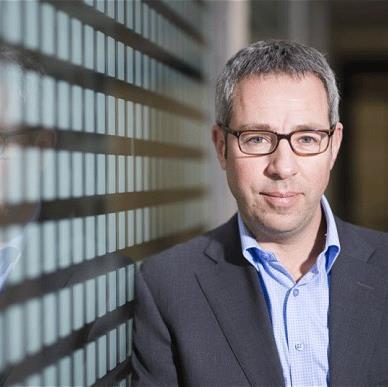
Greek geneticist Sir Menelas Pangalos , the Executive Vice President of BioPharmaceuticals Research and Development at AstraZeneka, from Chios is part of the team creating the vaccine, called AZD1222. The vaccine is under development in collaboration with UK-based global pharmaceutical company AstraZeneca. Trial results published in the Lancet medical journal found that the strongest response was seen in people who received two doses.
“We are encouraged by the Phase I/II interim data showing AZD1222 was capable of generating a rapid antibody and T-cell response against SARS-CoV-2. While there is more work to be done, today’s data increases our confidence that the vaccine will work and allows us to continue our plans to manufacture the vaccine at scale for broad and equitable access around the world,” Dr Pangalos said.
Mene Pangalos is a neuroscientist and a leader in the pharmaceutical industry. As Executive Director at AstraZeneca, he has transformed their research and development activity, raising productivity five-fold and bringing patients newlife-saving medicines in cancer, asthma, diabetes and heart disease. He has created one of the strongest innovative product pipelines in the industry and his leadership has restored AstraZeneca to the fourth largest FTSE company, leading to a multi-million pound investment in a new research centre and global
headquarters in Cambridge.
He champions an open and transformative approach to working with academia, charity and industry partners, with over 1,000 collaborations worldwide, including a partnership with the Medical Research Council to promote the reuse of previously failed compounds through an Open Innovation portal, which supports over 250 pre-clinical projects.
He has also built partnerships with NHS Scotland, Genomics England, and accelerated the completion of UK BioBank sequencing, which is revolutionising the understanding of diseases and treatments.
He remains active in research and as an internationally-renowned expert in drug discovery, precision medicine and neuroscience, having published over 150 peer-reviewed articles. He is a Council member of the Medical Research Council and a Board member of the Francis
Crick Institute, the Cambridge Judge Business School and the GapSummit (inter- generational leadership summit in biotechnology).
Pangalos was born in Ealing, London, to a family of Greek diaspora which settled in England. Both his parents descended from the island of Chios and his mother (néePsarros) was born there. His extended family on both parents sides still live in Chios and he spent childhood summers there. He is fluent in Greek.
He commenced his scientific studies with a Bachelor of Science in Biochemistry and Molecular Biology (First Class Honours) from Imperial College London and a subsequent Ph.D. in Neuropharmacology from University College London
Menelas Nicolas Pangalos was awarded a knighthood by Her Majesty The Queen in the New Year 2020 Honours List in recognition of his services to UK science.