
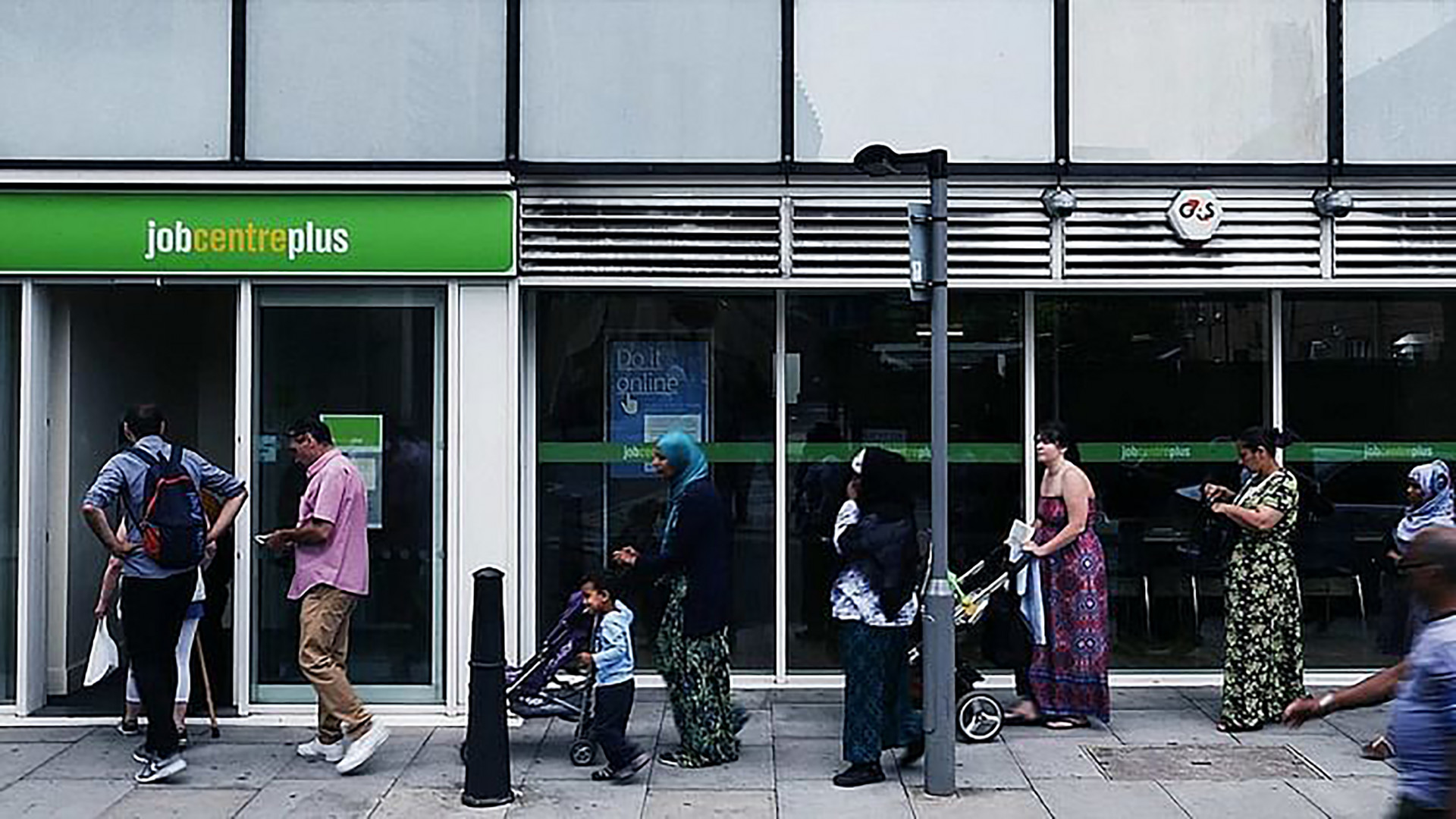

It is no secret that more than 600,000 workers in the UK have lost their jobs during the COVID-19 crisis. The lockdown hit the labour market and vacancies dived by the most on record, data from the Office of National Statistics (ONS) show. In the meantime, the British government is paying the wages of millions of workers through its furlough scheme.
Bank of England Governor, Andrew Bailey, said last Thursday that the economy appeared to be lessening a bit less harshly in the first half of 2020 than the BoE feared last month. But there was no guarantee of a strong rebound and unemployment would rise.
In the meantime, pubs, restaurants and hairdressers are not expected to open until 4 July. Factories are only gradually restarting their lines, and construction sites are struggling to get back to their normal routine. So, at this point, being unemployed or under furlough is not a pleasant situation, as you are dealing also with financial and emotional stress.
Dr Robert Reiner, Executive Director of Behavioral Associates, an organisation that specialises in cognitive behavioural therapy, advises people to deal with the problem in two ways, practically and psychologically: “Many people become paralysed with fear and anxiety when facing the prospect (or reality) of unemployment. Relief funds like government unemployment benefits, especially during a pandemic, where normalcy has flown out the window, are finite and typically enjoyed by those who act quickly.
“Tragically, the majority of the money ended up going to the companies that needed it the least; they had people in place to swiftly make sure applications were submitted quickly and correctly, meeting government requirements.
“For an individual facing potentially catastrophic circumstances, you cannot let your anxiety or anger prevent you from acting quickly and decisively. This is referred to as ‘acting against the feeling’ or ‘acting against the belief.’
“What you do, think, and what you feel – In this situation, to the extent possible, focus on the first part, what you do, your behaviour. Try to ignore the latter two and focus on getting the practical things done as quickly as possible.
“In dealing with the more difficult dread or anxiety, treat it like every other challenge you have faced in your life. Since our brains are wired to only be able to attend to a few things at a time, remind yourself that your goal is to minimize your misery, anger, or anxiety. The prospect of experiencing any pleasure during a time like this is absurd, not close to a possibility, and should be taken off the table.
“It’s also dangerous when people link their self esteem to their jobs. You are not a loser when you lose your job any more than you are a king when you are making money and succeeding at work. One of the many predictable irrational traps we fall into is erroneously believing that our emotions are ‘here to stay’ (I will never be happy again). The truth is the opposite!
“Human emotions are transitory and always return to baseline, whether the feelings are good OR bad. Lottery winners, a year after winning, consistently report that their moods are no different than they were before their winning, another human belief that is consistently irrational, in both directions!”
Ifigeneia Vouza, Psychologist and Interpersonal Psychotherapist MSc, on the other hand, offers some practical solutions to deal with the problem.
She says: “It is of utmost importance to acknowledge our feelings and allow ourselves to feel what we feel. Once someone recognises that they are going through turbulent times that they cannot control, they can be more compassionate with themselves and take action. Reduce household expenses for some period of time, put some fixes in help, keep a budget, minimise some expenses and be adaptable to changes until the situation turns around. I find it very helpful to keep a journal with thoughts and struggles but mostly affirmations. During these rough times, we should never forget about our health; blood pressure rising due to anxiety and depression can cause reduced immunity. Do not forget to visit your GP for precautionary reasons and for a check-up.
“Mental health is also very important. I would also recommend a local job search support group so people can spend time with others that are undergoing the same or similar situation. Local job centres can also offer their support regarding job opportunities.
“Exercising, being with others and getting involved in activities you enjoy should be done on a weekly basis. Finally, never forget to separate your identity and self-worth from your job!”
Katerina Tiliakou