
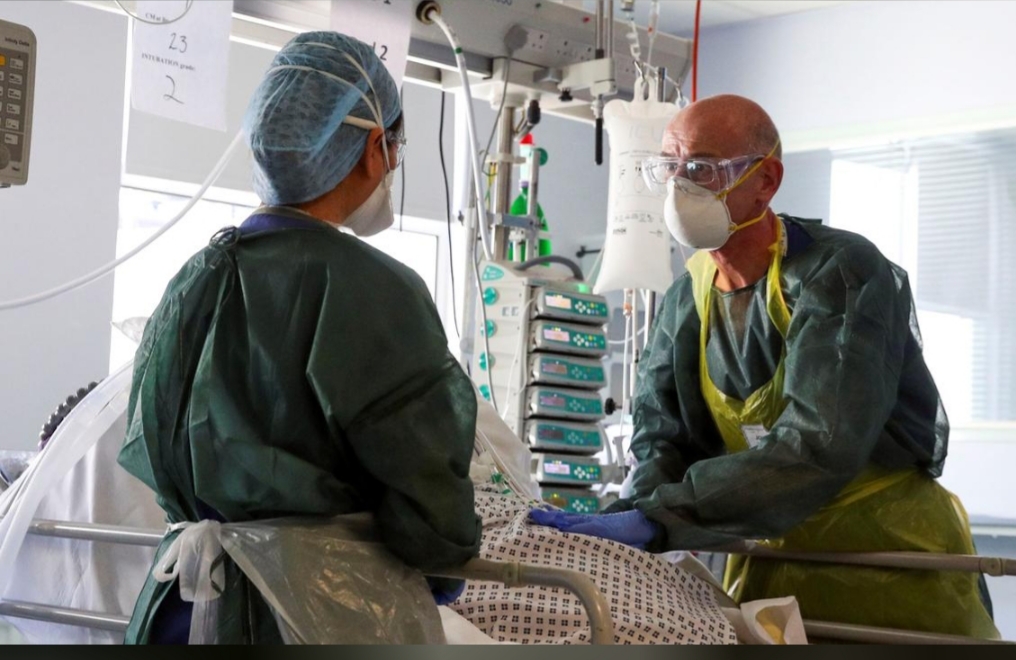

These past months have underlined what we always knew – that our public sector workers make a vital contribution to our country and that we can rely on them when we need them,” Rishi Sunak, Britain’s finance minister, said.
Wage growth in Britain was slowing before COVID-19, falling to an annual rate of 2.8% in the three months to end-February, before the crisis caused average total pay to drop -0.3% in March-June, the first negative figure since 2014.
Inflation fell to a four-year low of 0.5% in May, before rising slightly to 0.6% in June.
Prime Minister Boris Johnson has been criticised for his response to the crisis, with opposition parties and some scientists saying the government was too slow to lock down, too slow to do widespread testing and not clear in its messaging.
Johnson, who won a large majority last year, hopes to revive his fortunes by returning to his pledge to focus spending on traditional Labour-supporting areas that backed his Conservatives.
Despite a surge in borrowing to pay for the response to COVID-19, Johnson has said his government will not return to the austerity policies seen under Conservative former prime minister, David Cameron.
Public sector pay was frozen for all but the lowest earners in 2010 and increases were limited to 1% a year from 2013 to 2018 to reduce the budget deficit.