
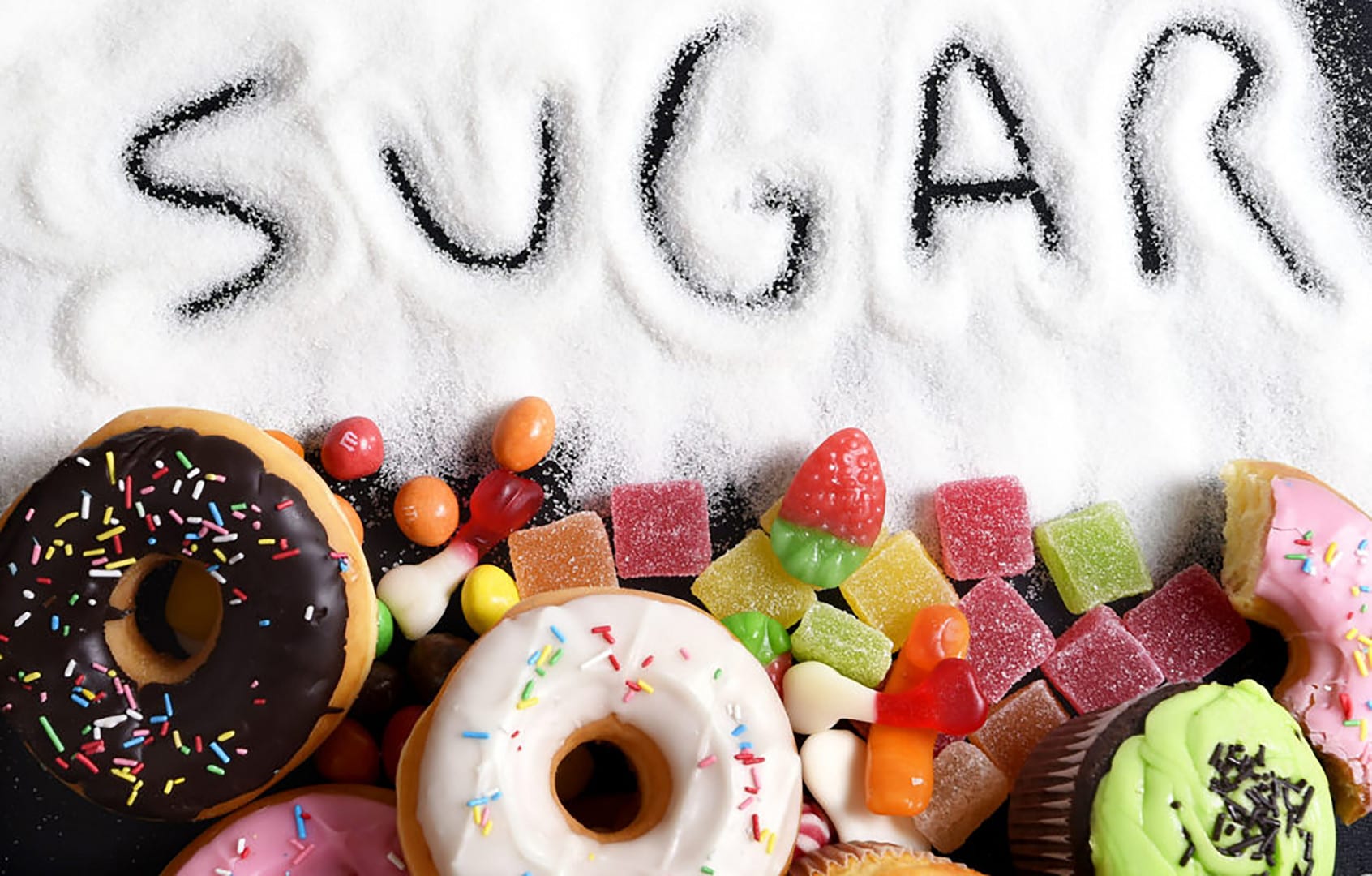

From childhood, many of us would have been given a dessert of something sweet after a meal or maybe even rewarded a sweet treat for good behaviour, which is not always a bad thing, especially if it’s a good form of sweetness like that of natural fruit. However, it was not always the case. School lunches and evening meals were often full of sugar found in cakes, puddings, biscuits, chocolate and ice creams. Is it any wonder the population has been programmed into a pattern of thinking that sweet treats are comforting gap fillers.
With sugar so readily available, people unfortunately gorge and don’t know when to stop. Sugar is not a drug, but it should be treated with respect and in moderation. After all, there is solid evidence that too much upsets our blood sugar, spikes our insulin levels that then encourages fat storage, leading to medical problems like Type 2 diabetes, obesity and heart conditions. It also accelerates tooth decay and the ageing process.
Therefore it doesn’t seem complicated that the fact of the matter is people need to cut down. It is suggested by the Advisory Committee on Nutrition in Britain that the intake should be no more than 25g a day, approximately 6 teaspoons for women and around 7 teaspoons for men. With that in mind, one should remember that almost all shop bought processed foods, ready meals, sauces, biscuits, cakes, drinks etc will contain sugar (always read the label) and remember, the higher at the top of the list of ingredients, the higher the content. So if it starts with sugar in first place of listing, then that sugar is the main bulk ingredient of the product. The lower down the list, the smaller the amount, but beware, low sugar doesn’t always mean low fat as well within food products. So read the label content for this also.
Not all sugar is bad or harmful. Sugar is a carbohydrate; it is found in all sorts of foods in various forms, for example, lactose in milk, fructose in fruit and honey, glucose in wheat and vegetables. Sucrose is found in everyday sugar. It is not a good idea to totally cut out sugar in all forms, as we need some form of sugar for energy and we would then be cutting out nutritious food such as fruit and vegetables, which are high in antioxidants which fight disease and are also full of fibre. The problem is the added sugar in the processed foods that is easily digested; it gives the quick blood surge, followed with a burst of energy and followed by a quick drop, which can make you tired and irritable with a need to keep topping up for a sugar fix. It can also make you thirsty to want sugary drinks.
Brown sugar has a marginally higher mineral content than white but there is very little difference between the two. So don’t be fooled into thinking it is better for you.
So do we really need to add sugar to everything? No not really. Sugar comes in many forms. Here are some alternatives and tips to try that will help keep a sustained energy level…
Use Agave syrup – it is derived from the same Mexican plant as Tequila, it is known to have a much lower value than honey or sugar and it should keep you satisfied longer. It is sweeter, so you require less. Use it in your baking.
Another option is fructose which is found in natural fruit but can now also be bought in granular form from most supermarkets. It can be used in baking or alternative to sugar in teas or coffee etc.
Other pure syrups are those from dates and carob. Carob is a great alternative taste for chocolate. Use ripe bananas in recipes instead of sugar. Bananas are also high in potassium, which is why, you see so many athletes consume them.
Other tips: Try using cinnamon which has been shown to keep blood sugar stable; substitute fruit juices with contain added sugars with a natural sweet herbal tea, allow to cool and drink ice cold; Eat more fruit rather than sugar laden confectionary.
If you can’t cut regular sugar down straight away, then do it slowly with simple steps, for example, if you normally have two spoons of sugar, cut down to half and try one spoon of sugar and one of an alternative, then reduce further in time to half teaspoon of each and so on.
Stay sweet enough!
Love and Sparkles
Samsara x